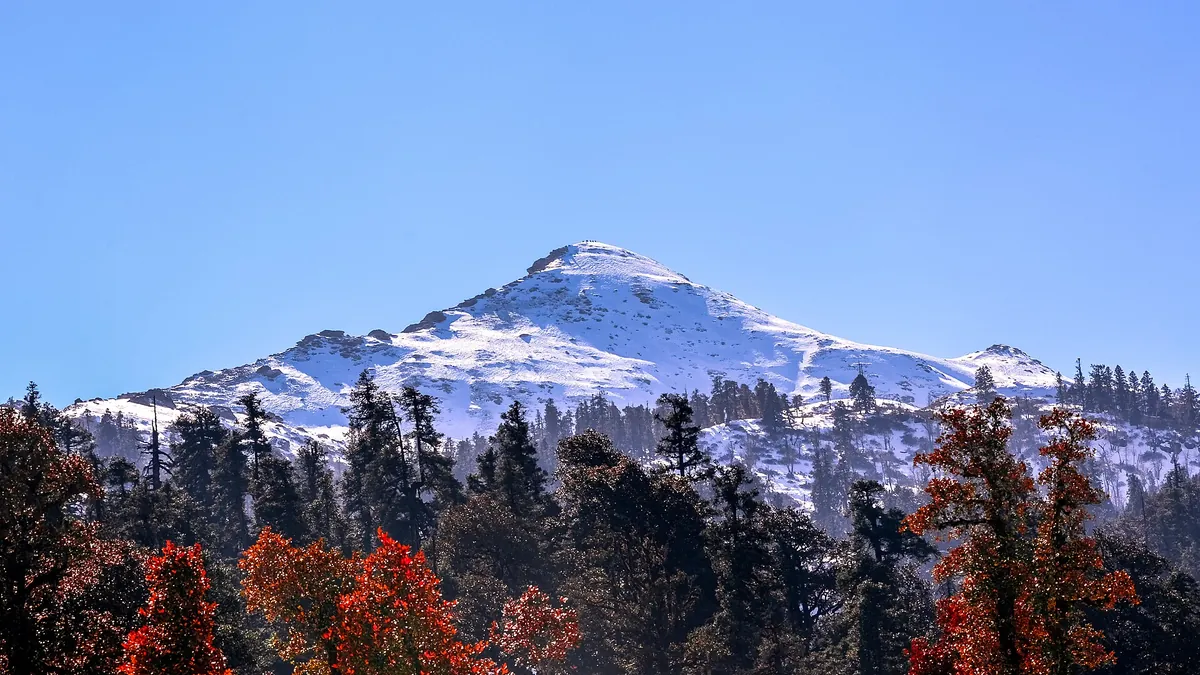
Short answer: buses for Sankri leave Dehradun early in the morning only. Private buses go at about 5:30 am and 6:30 am from Gandhi Road, a short walk from Dehradun railway station. The Uttarakhand Roadways (UTC) bus goes at about 8 am from the Mussoorie bus stand just outside the station. A ticket costs about ₹400–550, paid on board, and the 197 km ride via Mussoorie, Purola and Mori takes 9–11 hours. There is no afternoon bus. If you miss them, take a bus or shared taxi to Purola and a shared taxi on to Sankri (about ₹450–700 in total), or book a Bolero for about ₹5,000–6,500.
I will be honest with you: this is one of the most useful bus rides in Uttarakhand, and one of the worst documented. Most of what you find online is copied from guides written years ago, and the timings drift a little every season. So instead of pretending there is a neat printed timetable, I have put together what the reliable sources agree on, what the government fare rules say the ticket should cost, and a plan B for every way the morning can go wrong. Follow it and you will be eating dinner in Sankri, ready for Kedarkantha or Har Ki Dun.
Dehradun to Sankri Bus at a Glance
| What you need to know | Answer |
|---|---|
| Where buses start | Near Dehradun railway station: private buses on Gandhi Road, the UTC bus at the Mussoorie bus stand. Not from the ISBT |
| Departure times | About 5:30 am and 6:30 am (private), and about 8 am (UTC). Some seasons add a 7–7:30 am private bus |
| Ticket price | About ₹400–550 one way, bought from the conductor on board |
| Online booking | Not available. Arrive 30–45 minutes early for a seat |
| Route | Dehradun → Mussoorie → Kempty → Nainbagh → Damta → Naugaon → Purola → Jarmola → Mori → Naitwar → Sankri |
| Distance and time | About 197 km; 9–10 hours by UTC, 10–11 hours by private bus |
| Last bus | About 8 am. There is nothing direct after that |
| Back to Dehradun | Buses leave Sankri between about 6 am and 8 am |
| Cash | Withdraw in Dehradun. Purola has the last reliable ATMs; Mori’s is often out of order |
Where Exactly Do Sankri Buses Leave From?
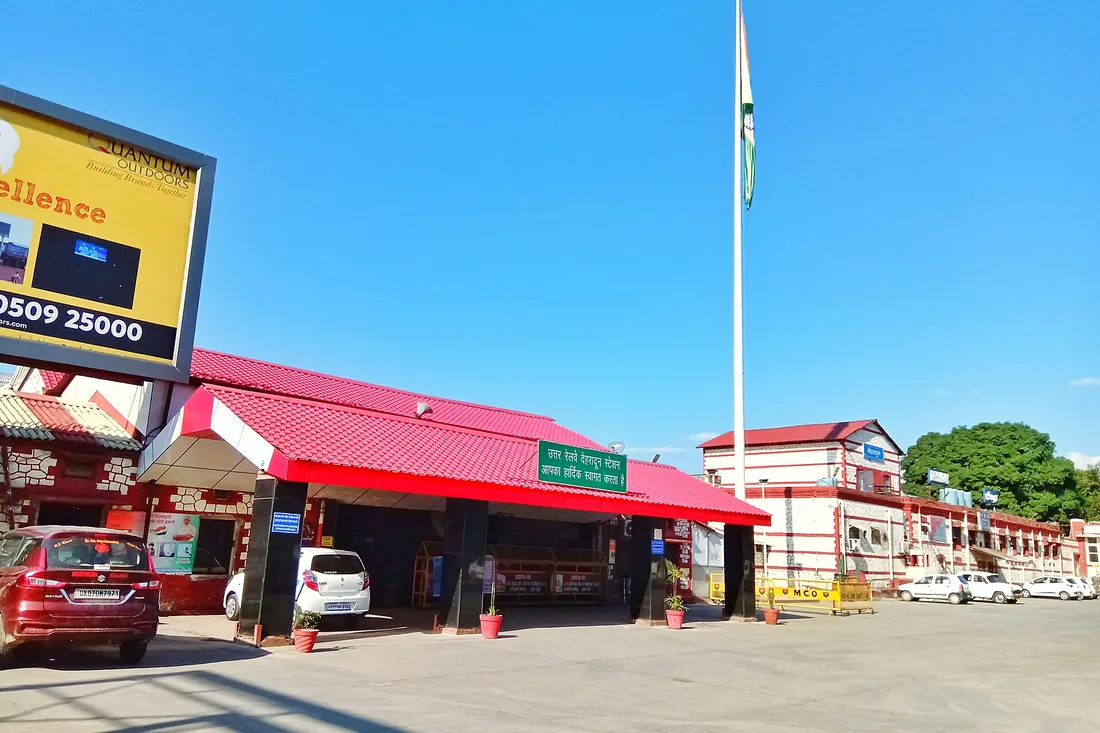
This is the bit that catches out most first-timers. If you come up from Delhi on an overnight bus, you will land at Dehradun ISBT, on the Haridwar road. Sankri buses do not leave from there. They start from the old town, around Dehradun railway station, about 6 km away. An auto from the ISBT takes 20–25 minutes at that hour and costs roughly ₹150–250. City buses and shared Vikram tempos also run the route once the morning gets going.
At the station end there are two boarding points within a few minutes’ walk of each other:
- Private buses wait on Gandhi Road, about two minutes’ walk from the station. Trekkers often describe them as parked near Hotel Grand. Ask anyone for the “Sankri” or “Mori” bus.
- The UTC (Uttarakhand Roadways) bus leaves from the Mussoorie bus stand, right outside the railway station, as it runs up via Mussoorie.
If you arrive by an overnight train, you are already in the right place. Walk out of the station and ask.
Dehradun to Sankri Bus Timings
Here is the morning schedule that the more reliable guides agree on. Treat the times as “be there by”, not “leaves at exactly”. Private buses often wait a few minutes to fill, and the UTC bus can leave a little early if it is full.
| Departure (approx.) | Bus | Boards at | Fare (approx.) | Reaches Sankri |
|---|---|---|---|---|
| 5:30 am | Private ordinary | Gandhi Road, near the station | ₹400–500 | About 3:30–4:30 pm |
| 6:30 am | Private ordinary | Gandhi Road, near the station | ₹400–500 | About 4:30–5:30 pm |
| 7:00–7:30 am | Private (some seasons) | Gandhi Road, near the station | ₹400–500 | About 5–6 pm |
| 8:00 am | UTC / Uttarakhand Roadways | Mussoorie bus stand, outside the station | ₹450–550 | About 5–6 pm |
My advice: aim for the 5:30 am bus. It gives you the most daylight at the far end, it leaves you a backup if anything goes wrong, and if it is full you can still try the 6:30. The 8 am UTC bus is a good bus, but it is the last direct service of the day. Missing it means switching to plan B in Purola.
Dehradun to Sankri Bus Ticket Price
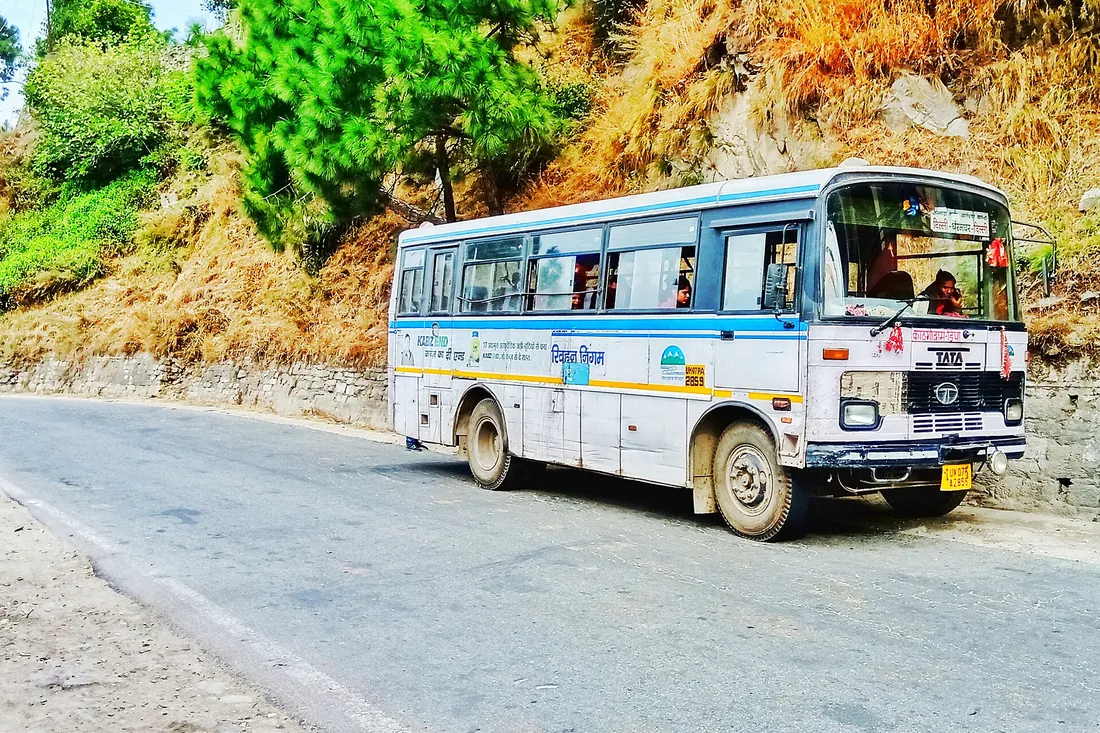
No operator publishes a fare chart for this route, but there is a good way to check what you are being charged. UTC’s published fare rate for an ordinary bus on hill roads is ₹2.196 per km. For about 197 km that works out at roughly ₹430 before rounding and tax, which matches what travellers report paying. Private ordinary buses usually charge about the same, often a little less.
| Bus | Typical fare | How to pay | Notes |
|---|---|---|---|
| Private ordinary bus | ₹400–500 | Cash to the conductor | Basic seats, more stops, 10–11 hrs |
| UTC (Roadways) ordinary bus | ₹450–550 | Cash on board; UPI sometimes accepted | Government bus, 9–10 hrs, via Mussoorie |
| Big rucksack on the roof | Usually free, sometimes ₹50–100 | Cash to the conductor or helper | Ask before you load it |
Keep small notes. A ₹500 note is fine for the ticket, but tea stops and dhabas along the way much prefer ₹10, ₹20 and ₹50 notes, and phone signal for UPI comes and goes after Purola.
The Route, Stop by Stop
The road heads straight up to Mussoorie, drops into the Yamuna valley, crosses to Purola and the Tons valley, and climbs one last time to Sankri. Here is how the stops line up.
The roads: what the ride is really like
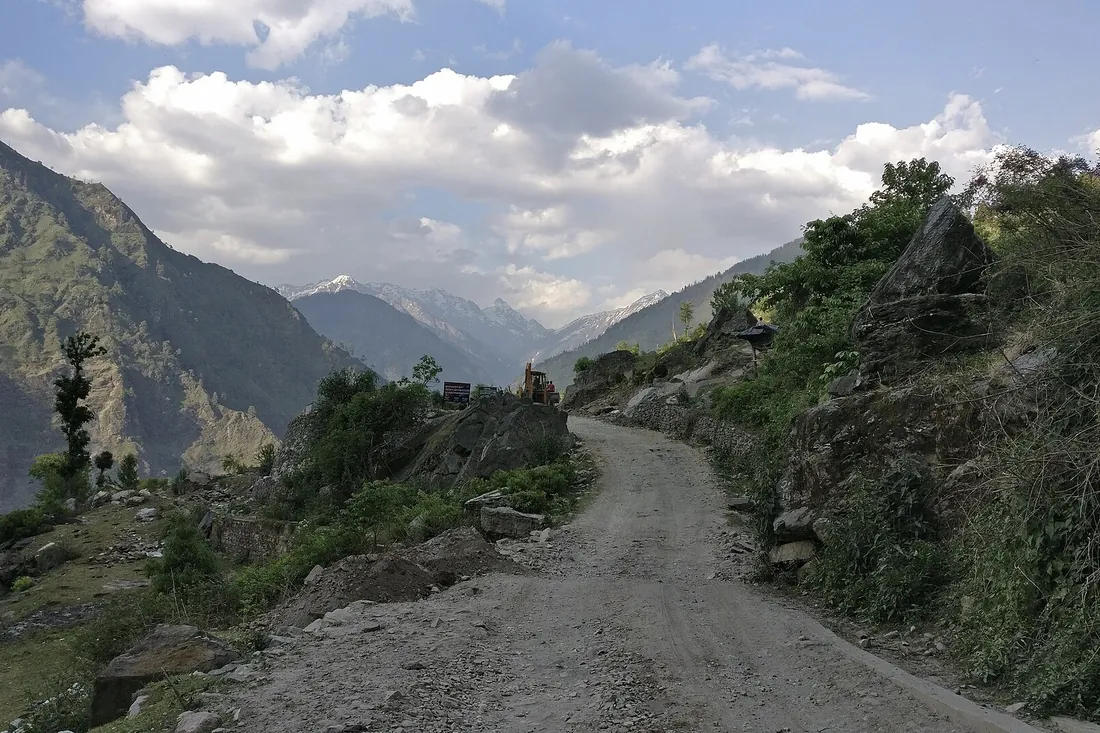
The first hour up to Mussoorie is steep and full of hairpins, and it is the stretch most likely to make you queasy. After Kempty the road is narrower, with long descents to the Yamuna and a slow, pleasant run through farming villages to Naugaon and Purola. The section over Jarmola to Mori is forested and quiet. The last 23 km from Mori through Naitwar to Sankri is the roughest, narrow and broken in places, with the Tons river far below. None of it is dangerous in a bus driven by locals, but it is slow, and it is why a 197 km trip takes most of a day.
Missed the Bus? Plan B via Purola
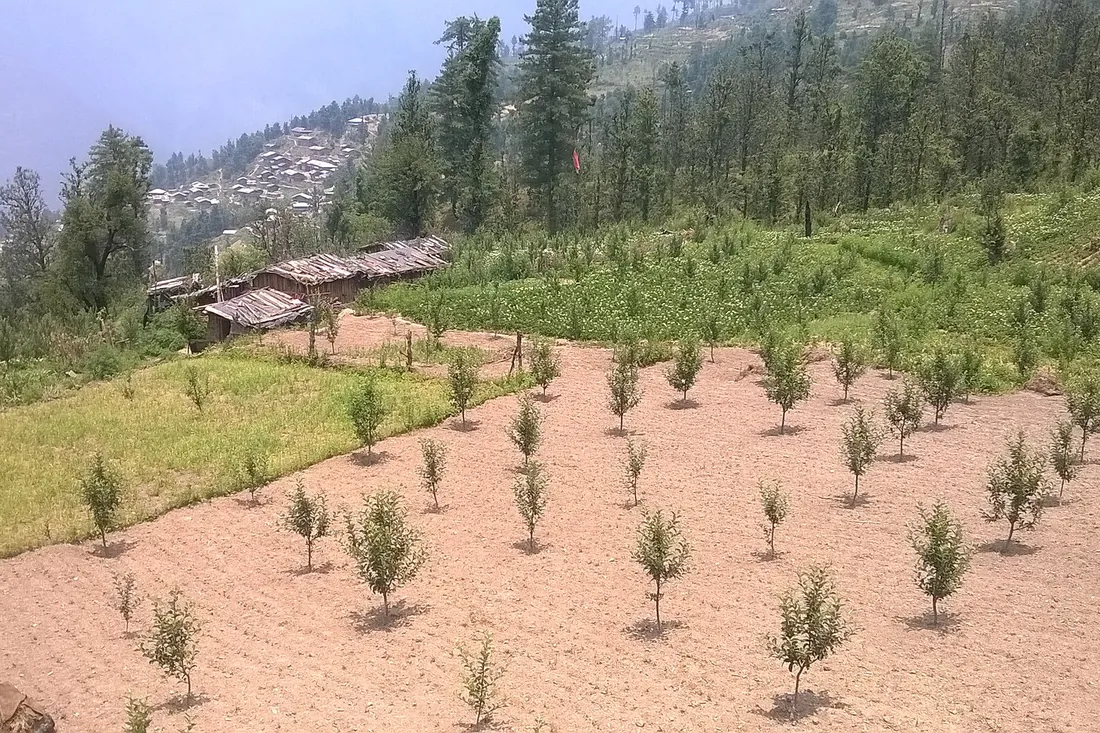
If you reach Dehradun after 8 am, do not give up on the day. The route is busy as far as Purola, and from there shared taxis cover the rest. Here is how it works:
- Dehradun to Purola: take any bus going to Purola, Mori or Barkot via Naugaon, or a shared taxi from near the railway station. Shared taxis take about 4.5 hours and cost roughly ₹300–450 a seat.
- Purola to Sankri: shared Boleros and Sumos run the last 57 km in about 2–2.5 hours for roughly ₹150–250 a seat. They leave when full.
- The catch: most shared taxis out of Purola go before about midday. If you reach Purola mid-afternoon, you may need to book the whole car (roughly ₹2,000–2,500) or stay the night and carry on in the morning.
Another fallback is any bus heading for Mori or Hanol. Get down at Mori and take a shared or reserved taxi for the last 23 km. Trekking groups also run shared Sumos straight from the railway station to Sankri, leaving between about 5 and 7 am, for about ₹600–900 a seat. They are quicker than the bus, about 7–8 hours, and well worth asking about during the Kedarkantha season.
Bus vs Shared Taxi vs Reserved Car
The bus is the cheapest way in, by a long way. But for a group, the sums change quickly once you split a car. Here is the cost per person, one way.
| Option | Cost | Time | Best for |
|---|---|---|---|
| Direct bus | ₹400–550 per person | 9–11 hrs | Solo travellers and budget trekkers who can make an early start |
| Bus or taxi + shared taxi via Purola | ₹450–700 per person | 7–9 hrs plus waiting | Anyone who missed the morning buses |
| Shared Sumo from the station | ₹600–900 per person | 7–8 hrs | Faster, still cheap; busiest in the trek season |
| Reserved Bolero or Sumo | ₹5,000–6,500 per car | 7–8 hrs | Groups of four or more, families, late arrivals |
My advice: alone or as a couple, take the bus. It is a long day, but it is a real slice of Garhwal life, and the savings are huge. With four or more people, or with children, a reserved car costs barely more than the bus per head, lets you stop for photos and gets you in before dark.
A Typical Bus Day, Hour by Hour
Here is roughly how a day on the 5:30 am bus plays out. Delays of an hour either way are normal.
- 4:45 amLeave your hotel, or the ISBT if you came in overnight. Reach the railway station area by 5 am.
- 5:30 amThe bus leaves Gandhi Road and starts climbing towards Mussoorie.
- 7:00 amThrough Mussoorie. Cold air, sharp bends and the first big views of the day.
- 9:30 amDown in the Yamuna valley, around Naugaon. Tea and breakfast stop.
- 11:00 amPurola: a short halt. Buy anything you forgot and withdraw cash here.
- 1:30 pmMori, on the Tons river, after crossing the Jarmola ridge.
- 3:30 pmArrive in Sankri. Check in, drink something hot and rest before your trek.
Going Back: Sankri to Dehradun
- Buses back to Dehradun leave Sankri between about 6 am and 8 am. Ask your homestay or the bus crew the evening before.
- You reach Dehradun in the late afternoon or early evening, in time for an overnight bus or train to Delhi. Do not book a tight connection: allow at least 2–3 hours of slack.
- If you miss the morning bus, take a shared taxi to Mori or Purola and look for an onward bus or taxi from there, before about midday.
- Trekkers finishing Kedarkantha often share a Bolero back. Ask your trek group; splitting a car six ways costs little more than the bus.
Kedarkantha, Har Ki Dun and Why Everyone Takes This Bus
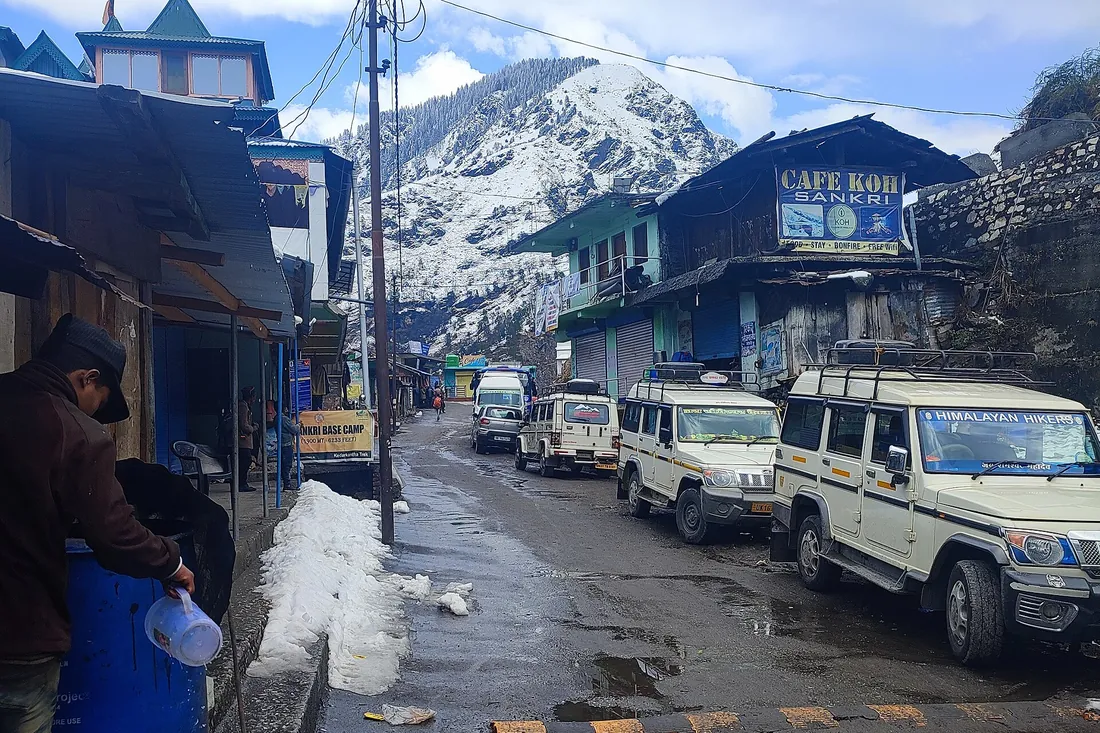
Sankri is a small village just under 2,000 m in the Govind Pashu Vihar National Park area of Uttarkashi district. For most people it is the base for the Kedarkantha winter trek, usually done in four to six days, with the main season from December to April. It is also the jumping-off point for Har Ki Dun, Phulara Ridge and Bali Pass, with jeeps running on towards Taluka. In the trek season the buses fill with rucksacks, so turn up early.
Most trek groups ask you to reach Sankri the day before you start walking. That fits the bus perfectly: ride in on day one, rest, then start on day two. If your group offers a pickup from Dehradun, compare its price with the bus fare; group transport is often good value and saves you the 5 am scramble.
Best Time for the Dehradun–Sankri Bus
| Season | On the road | My advice |
|---|---|---|
| December–February | Cold, with snow possible beyond Jarmola and at Sankri. Ice on shaded bends some mornings. | Kedarkantha peak season. Buses fill fast, so be early. Pack warm layers for the bus itself. |
| March–April | Clear roads, cold nights, snow still high up. | A lovely time to travel, with quieter buses than in winter. |
| May–June | Warm in the valleys, busy with Har Ki Dun trekkers and summer visitors. | Comfortable travel. Afternoon storms can bring down trees; a May 2026 tree fall briefly closed the road at Jarmola. |
| July–September | Monsoon. Landslides on the Mori–Sankri stretch are common. | Keep a buffer day and check the road with your homestay each morning. |
| October–November | Dry, clear and mostly quiet. | One of the best times for the ride itself, with sharp mountain views. |
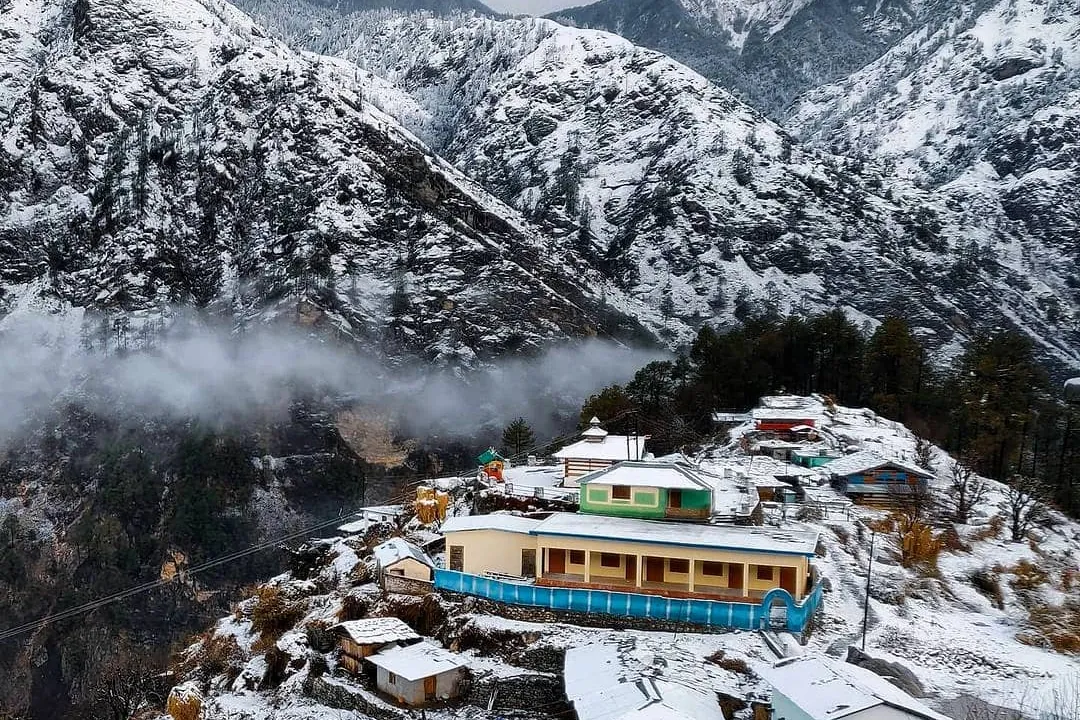
Snow rarely shuts the road for long, but after heavy snowfall the last few kilometres into Sankri can be slow, and buses may stop short until the road is cleared. If heavy snow is forecast, message your trek organiser or homestay before you leave Dehradun. For more cold-weather ideas, see our guide to places to visit in India in winter.
Practical Tips for the Journey
- Reach the stand 30–45 minutes early. There is no reservation, so seats go to whoever is there first. Window seats on the right side give the best Mussoorie views.
- Carry cash from Dehradun. Purola has the last reliable ATMs. The SBI ATM in Mori is often out of order, and there is none in Sankri.
- Pack food and water. Stops are short and irregular. Bananas, biscuits and a full bottle make the day easier.
- Take something for motion sickness before the climb to Mussoorie, if you are prone to it.
- Keep a warm layer out of your rucksack. Big bags go on the roof or at the back, and in winter the bus gets cold after Purola.
- Expect patchy mobile signal after Purola. BSNL and Jio work best around Sankri. Download an offline map and save your homestay’s number.
- Tell your homestay or trek group which bus you are on, so they know when to expect you.
Coming from Delhi?
Most people reach Sankri in two steps: Delhi to Dehradun overnight, then the morning bus. Overnight Volvo and ordinary buses from Kashmere Gate ISBT reach Dehradun ISBT early in the morning, leaving you time to get across to the railway station for the 5:30 or 6:30 bus. Overnight trains are even easier, as they arrive at the station right beside the bus stands. Build in a little slack: if your Delhi bus is late, the 8 am UTC bus is your safety net. For more long journeys, see our guide to the best road trips in India and the best hill stations in India.
Frequently Asked Questions
What time does the bus leave Dehradun for Sankri?
Buses leave early in the morning only: private buses at about 5:30 am and 6:30 am from Gandhi Road near Dehradun railway station, and a UTC (Uttarakhand Roadways) bus at about 8 am from the Mussoorie bus stand outside the station. Some seasons add a private bus at about 7–7:30 am.
What is the Dehradun to Sankri bus ticket price?
About ₹400–550 one way. Private buses usually charge ₹400–500, and the UTC bus ₹450–550. UTC’s published ordinary hill rate of ₹2.196 per km works out at roughly ₹430 for the 197 km route.
Can I book the Dehradun to Sankri bus online?
No. Tickets are sold on board by the conductor. Arrive 30–45 minutes early to get a seat, especially in the Kedarkantha season from December to April.
Does the Sankri bus leave from Dehradun ISBT?
No. Sankri buses start from the railway station area, about 6 km from the ISBT. Private buses board on Gandhi Road and the UTC bus at the Mussoorie bus stand outside the station.
How long does the bus from Dehradun to Sankri take?
About 9–10 hours by UTC bus and 10–11 hours by private bus, for roughly 197 km via Mussoorie, Naugaon, Purola and Mori.
What is the last bus from Dehradun to Sankri?
The UTC bus at about 8 am is the last direct bus of the day. After that, go to Purola by bus or shared taxi and take a shared taxi to Sankri, ideally reaching Purola before midday.
What time does the bus leave Sankri for Dehradun?
Return buses leave Sankri between about 6 am and 8 am and reach Dehradun in the late afternoon or early evening. Confirm the time with your homestay the evening before.
How do I reach Sankri if I miss the bus?
Take a bus or shared taxi to Purola (about ₹300–450), then a shared Bolero or Sumo for the last 57 km to Sankri (about ₹150–250). Shared taxis from Purola mostly leave before midday. A reserved car from Dehradun costs about ₹5,000–6,500.
How much is a taxi from Dehradun to Sankri?
A reserved Bolero or Sumo costs about ₹5,000–6,500 one way for the whole car and takes about 7–8 hours. Shared Sumo seats from the railway station cost about ₹600–900 in the trek season.
Is there an ATM in Sankri?
No. Carry enough cash from Dehradun. Purola has the last reliable ATMs, and the ATM in Mori is often out of order.
Final Thoughts
The Dehradun to Sankri bus is simple once you know its one rule: it only runs in the morning. Be near Dehradun railway station by 5 am, pay your ₹400–550 on board, and settle in for a long, beautiful day through Mussoorie, the Yamuna valley, Purola and the Tons valley. If the morning slips away, head for Purola before midday and finish by shared taxi. Carry cash, keep a warm layer handy and tell your homestay you are coming. Then all that is left is the snow on Kedarkantha. For more journeys like this one, see how to reach Jibhi from the Aut Tunnel by local bus, how to get from Bagdogra airport to Sillery Gaon by shared cab, or explore our Road Trips section.
Sources: road distances from OpenStreetMap and OSRM routing, and stop heights from SRTM elevation data (checked 25 November 2026); Uttarakhand Transport Corporation fare structure (ordinary bus, hill rate ₹2.196/km); Himalaya Trekker guide to reaching Sankri (bus stands, times and fares, October 2019); Bikat Adventures guide to reaching Sankri (updated January 2021) for the Purola shared-taxi route; The Dream Treks Sankri guide (2026) for UTC timing, fares and shared Sumos; Amar Ujala report on the tree fall that closed the Purola–Mori road at Jarmola (25 May 2026). Photos from Wikimedia Commons, credited in each caption.