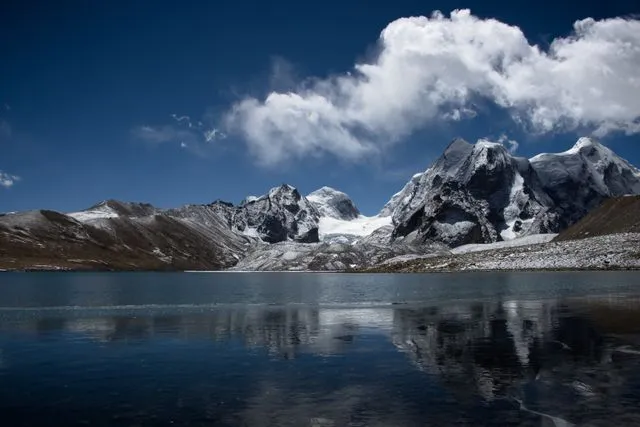
The best hill stations in India depend on when you travel and what you want from the trip. For a summer escape, choose Shimla, Mussoorie, Ooty or Munnar. For snow, look at Gulmarg, Manali or Auli. For tea gardens, go to Darjeeling or Munnar. For quieter breaks, try Kausani, Ranikhet or Coonoor.
India has hill stations in the Himalayas, the Nilgiris, the Western Ghats and the north-east, so there is a mountain break for almost every season and budget. People visit them to escape summer heat, see snow, enjoy a honeymoon, take a family holiday or try adventure sports.
This guide compares 30 popular and lesser-known hill stations. For each one, you will find the best months, how long to stay, how to reach it and what to watch out for. If you are still choosing between mountains, beaches and cities, start with our guide to the best places to visit in India. Details were checked against official tourism, railway and weather sources and last reviewed on 12 November 2026.
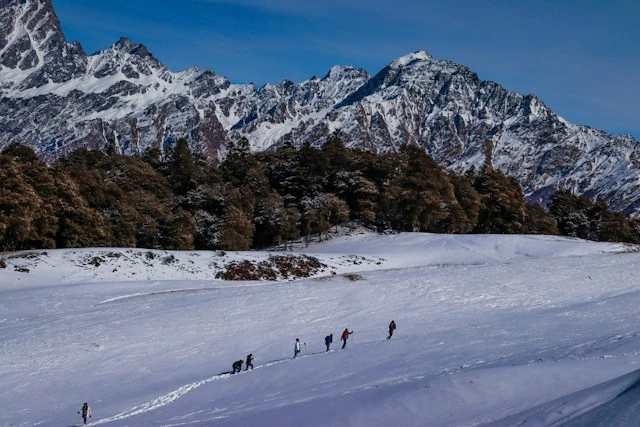
Which Hill Station Should You Choose? Quick Answer
| If you want… | Start with |
|---|---|
| A summer escape (March to June) | Shimla, Mussoorie, Nainital, Ooty, Munnar |
| Snow (December to February) | Gulmarg, Auli, Manali, Shimla and Kufri |
| A honeymoon or couples’ trip | Munnar, Darjeeling, Manali, Kodaikanal |
| A family holiday | Nainital, Shimla, Ooty, Mussoorie, Dalhousie, Shillong |
| Quiet and budget-friendly | Kasauli, Ranikhet, Kalimpong, Coonoor |
| A weekend trip from a big city | Mussoorie or Shimla (Delhi), Lonavala (Mumbai and Pune), Coorg (Bengaluru) |
Quick Comparison of the Best Hill Stations in India
Use this table to shortlist. “Usual gateway” is the main airport or railhead most visitors use. Snow chances are possibilities, never promises, and months are planning guides rather than weather forecasts.
| # | Hill station | State / UT | Best time | Ideal stay | Snow chance | Best for | Usual gateway |
|---|---|---|---|---|---|---|---|
| 1 | Shimla | Himachal Pradesh | Mar–Jun, Sep–Nov | 2–3 days | Possible Dec–Feb | Families, heritage | Kalka / Chandigarh |
| 2 | Manali | Himachal Pradesh | Mar–Jun, Dec–Feb | 3–4 days | Possible Dec–Feb | Adventure, couples | Bhuntar (Kullu) / Chandigarh |
| 3 | Kasauli | Himachal Pradesh | Mar–Jun, Sep–Nov | 1–2 days | Not reliable | Quiet weekends | Kalka / Chandigarh |
| 4 | Dalhousie | Himachal Pradesh | Mar–Jun, Sep–Nov | 2–3 days | Higher areas in winter | Families, relaxed breaks | Pathankot |
| 5 | Dharamshala & McLeod Ganj | Himachal Pradesh | Mar–Jun, Sep–Nov | 2–3 days | Higher areas in winter | Culture, trekking | Gaggal (Kangra) / Pathankot |
| 6 | Mussoorie | Uttarakhand | Mar–Jun, Sep–Nov | 2–3 days | Occasional | Couples, weekends | Dehradun |
| 7 | Nainital | Uttarakhand | Mar–Jun, Sep–Nov | 2–3 days | Occasional | Families, lake | Kathgodam |
| 8 | Ranikhet | Uttarakhand | Mar–Jun, Sep–Nov | 2–3 days | Not reliable | Quiet, budget | Kathgodam |
| 9 | Kausani | Uttarakhand | Mar–Jun, Sep–Nov | 2–3 days | Not reliable | Himalayan views | Kathgodam |
| 10 | Mukteshwar | Uttarakhand | Mar–Jun, Sep–Nov | 2–3 days | Possible in winter | Offbeat stays | Kathgodam |
| 11 | Darjeeling | West Bengal | Mar–May, Oct–Dec | 3–4 days | Rare, light | Tea, views | NJP / Bagdogra |
| 12 | Kalimpong | West Bengal | Mar–May, Oct–Dec | 2–3 days | Rare | Peaceful, budget | NJP / Bagdogra |
| 13 | Gangtok | Sikkim | Mar–May, Oct–Dec | 3–4 days | Possible in winter | Culture, adventure | NJP / Bagdogra |
| 14 | Pelling | Sikkim | Mar–May, Oct–Dec | 2 days | Possible in winter | Kanchenjunga views | NJP / Bagdogra |
| 15 | Shillong | Meghalaya | Oct–Apr | 2–3 days | Not reliable | Nature, culture | Guwahati |
| 16 | Cherrapunji (Sohra) | Meghalaya | Oct–Apr | 2 days | No | Waterfalls, root bridges | Guwahati / Shillong |
| 17 | Tawang | Arunachal Pradesh | Mar–Oct (check roads) | 2–3 days | Winter snow at height | Remote scenery, monasteries | Guwahati (long road trip) |
| 18 | Ooty | Tamil Nadu | Year-round, best Mar–Jun | 2–4 days | Rare | Families, tea, toy train | Coimbatore / Mettupalayam |
| 19 | Kodaikanal | Tamil Nadu | Sep–Jun | 2–3 days | No | Couples, lake views | Madurai |
| 20 | Coonoor | Tamil Nadu | Sep–Jun | 2 days | No | Quiet, budget | Coimbatore / Mettupalayam |
| 21 | Munnar | Kerala | Sep–Mar | 2–3 days | No | Honeymoon, tea | Kochi |
| 22 | Thekkady | Kerala | Sep–Mar | 1–2 days | No | Wildlife, spices | Kochi / Madurai |
| 23 | Coorg (Kodagu) | Karnataka | Oct–Mar | 2–3 days | No | Coffee estates, couples | Mysuru / Bengaluru |
| 24 | Chikmagalur | Karnataka | Oct–Mar | 2–3 days | No | Trekking, coffee | Bengaluru / Mangaluru |
| 25 | Mahabaleshwar | Maharashtra | Oct–Feb | 2 days | No | Weekends, families | Pune / Mumbai |
| 26 | Matheran | Maharashtra | Oct–Feb | 1–2 days | No | Vehicle-free break | Neral |
| 27 | Lonavala & Khandala | Maharashtra | Oct–Feb | 1–2 days | No | Weekends from Mumbai and Pune | Lonavala station |
| 28 | Mount Abu | Rajasthan | Oct–Mar | 2 days | No | Families, temples | Abu Road |
| 29 | Leh–Ladakh | Ladakh | Jun–Sep | 6–8+ days | Winter, with closures | High-altitude adventure | Leh |
| 30 | Spiti Valley | Himachal Pradesh | Jun–Sep (road access) | 5+ days | Winter, roads close | Remote landscapes | Manali / Shimla (by road) |
How We Chose the Best Hill Stations in India
This is not a ranking from best to worst. Each place was picked for a different type of traveller, using these points:
- Mountain scenery and pleasant weather in at least one season.
- Things to do, from lakes and temples to treks and tea estates.
- Access from major Indian cities, and the cost of staying there.
- Fit for families, couples or adventure travellers.
- A good mix of famous places and quieter alternatives.
Leh–Ladakh and Spiti are kept in their own group because they need acclimatisation, have short road-access seasons and are not ordinary hill-station getaways. Gulmarg and Auli appear in the snowfall section rather than the 30-place count.
Where the 30 hill stations are (share by region)
- North India: 10 (33%)
- East and North-east: 7 (23%)
- South India: 7 (23%)
- West and Central: 4 (13%)
- High altitude: 2 (7%)
Best Hill Stations in North India
North India has the Himalayan hill stations of Himachal Pradesh and Uttarakhand. Most are within a day’s journey of Delhi or Chandigarh, which is why they get very busy in summer and on long weekends.
1. Shimla – Best for Colonial Architecture and Family Holidays

Shimla was the British summer capital, and it still shows in its Gothic buildings, The Ridge and the traffic-free Mall Road. Add Jakhoo Temple for views and Kufri for a day trip. It sits at roughly 2,200 m (sources give 2,100–2,276 m). The India Meteorological Department (IMD) lists summer averages of 19–28°C, winter averages of -1 to 10°C and about 1,575 mm of rain a year, with August the wettest month.
Getting there: the Kalka–Shimla toy train is a UNESCO-listed route, and the road from Delhi usually takes 7–9 hours. Watch out for: weekend and holiday jams around Mall Road. Chail and Narkanda are calmer options nearby.
2. Manali – Best for Adventure and Snow Experiences

Manali is the adventure hub of the Beas Valley. Solang Valley and Old Manali are the main bases for skiing, paragliding and treks, depending on the season. The Atal Tunnel has made the Lahaul side much easier to reach. Rohtang Pass is different: it needs a permit and has daily vehicle limits, and the road can close in bad weather (see the permits section).
Getting there: Delhi to Manali takes roughly 10–14 hours by road, or you can fly to Bhuntar and drive. Watch out for: heavy crowds in May–June and over Christmas and New Year. Naggar is a quieter base a short drive away.
3. Kasauli – Best for a Peaceful Weekend Escape
Kasauli is a small cantonment town built for slow walks rather than sightseeing lists. Try the Gilbert Trail, Christ Church and the Monkey Point viewpoint. It works well as a calmer, lower-cost alternative to Shimla, and one or two nights is plenty. It is reached from Kalka or Chandigarh by road. Expect limited nightlife and a small choice of places to eat.
4. Dalhousie – Best for Scenic Landscapes and Relaxed Holidays
Dalhousie mixes colonial-era buildings with pine and deodar forest. Khajjiar, Panchpula and Dainkund Peak are the main outings, and most are easy for children and older relatives. Winters are cold, and higher areas nearby may see snow, but roads can be affected, so check conditions before you set off. Pathankot is the usual railhead.
5. Dharamshala and McLeod Ganj – Best for Mountain Culture and Trekking
McLeod Ganj sits above Dharamshala and is known for its Tibetan culture, monasteries and cafés. Walk to Bhagsunag Waterfall, visit Dal Lake, or take the Triund trek for views of the Dhauladhar range. Fly to Gaggal (Kangra) or take a train to Pathankot and continue by road. Allow two or three days.
6. Mussoorie – Best for Romantic Mountain Views
Mussoorie suits couples who want easy sightseeing: the Mall Road stroll, sunset at Lal Tibba, Gun Hill and a cooling stop at Kempty Falls. Snow is occasional in winter. Dehradun is the nearest airport and railhead, and the road from Delhi takes roughly 6–8 hours. Viewpoints and the Mall Road get crowded at weekends, and heavy-rain alerts can make mountain roads unsafe, so check the forecast.
7. Nainital – Best for Lakeside Family Holidays
Nainital is built around Naini Lake, which Incredible India calls the “Lake District of India”. Families come for boating, Naina Devi Temple and the cable-car ride to Snow View Point. Bhimtal and Sattal are calmer lakes within easy reach. Kathgodam is the railhead, and Delhi is roughly 7–9 hours by road. Long weekends bring heavy traffic around the lakefront.
8. Ranikhet – Best for a Quiet Himalayan Retreat
Ranikhet is for people who want pine forests, long walks and a slower pace. Chaubatia Gardens and the golf ground are the main stops. Public transport is limited, so a pre-booked taxi or your own vehicle is more practical. Reach it via Kathgodam. It is one of the more budget-friendly Uttarakhand stays.
9. Kausani – Best for Panoramic Himalayan Views
Kausani is listed by Incredible India at 1,890 m and is famous for sunrise views over the snow peaks. Visit the tea gardens and Anasakti Ashram, then use it as a base for nearby Almora and Binsar. There is little nightlife, which is the whole point.
10. Mukteshwar – Best for Offbeat Mountain Experiences
Mukteshwar is higher than Nainital, at 2,285 m according to Incredible India, and much quieter. Visit Mukteshwar Temple, walk to the rock arch at Chauli Ki Jali and enjoy the orchard trails. Choose it over Nainital if you prefer fewer crowds. The trade-off is fewer hotels and restaurants, so book ahead.
Best Hill Stations in East and North-East India
This region is about tea gardens, Kanchenjunga views, waterfalls, monasteries and strong local cultures. Permits matter in Sikkim and Arunachal Pradesh, so read the permits section before booking.
11. Darjeeling – Best for Tea Gardens and Himalayan Views

Darjeeling is best for sunrise at Tiger Hill, the Batasia Loop and walks through working tea estates. The Darjeeling Himalayan Railway runs 88.48 km from New Jalpaiguri (NJP) to Darjeeling and passes Ghoom at 2,258 m. Roads are steep, parking is limited and cloud can hide the mountains, so give yourself three or four days for a fair chance of clear views. NJP and Bagdogra are the usual gateways.
12. Kalimpong – Best for a Peaceful Eastern Himalayan Holiday
Kalimpong is a good pairing with Darjeeling for people who want less noise. Visit Deolo Hill, Zang Dhok Palri Phodang and Tharpa Choling monastery, and browse the cactus nurseries. It is among the more budget-friendly hill stations in this guide. Reach it from NJP or Bagdogra by road.
13. Gangtok – Best for Mountain Adventures and Sikkim Culture
Gangtok is Sikkim’s capital and a base for trekking, mountain biking, paragliding and river rafting. Spend time on the pedestrian MG Marg and at Rumtek Monastery. Day trips to Tsomgo Lake and Nathula Pass depend on permits and current access. Foreign visitors need a Restricted or Protected Area Permit (RAP/PAP) for Sikkim. Allow three or four days.
14. Pelling – Best for Kanchenjunga Views
Pelling is listed by Incredible India at 2,150 m and is a popular trekking base in West Sikkim. See Pemayangtse Monastery, the Skywalk and nearby waterfalls. Two nights is enough, and it pairs well with Gangtok by road. Mountain roads and weather can cause delays, so avoid tight schedules.
15. Shillong – Best for Nature and Cultural Experiences
Shillong has rolling hills, Umiam Lake, Shillong Peak and Elephant Falls, plus a lively Khasi food and music scene. It is an easy first stop in Meghalaya from Guwahati. October to April is more comfortable than the monsoon. Foreign visitors should check whether any protected-area paperwork applies to the parts of the region they plan to visit.
16. Cherrapunji (Sohra) – Best for Waterfalls and Living Root Bridges

Come for Nohkalikai Falls, Seven Sisters Falls, Mawsmai Cave and the living root bridges nearby. Rainfall here is exceptional, so mist can hide views and paths turn slippery in the monsoon. October to April is easier. Two nights are enough, and it combines well with Shillong and Dawki.
17. Tawang – Best for Remote Himalayan Scenery and Monasteries
Tawang is a long way from anywhere, and that is part of its appeal. Visit Tawang Monastery, cross Sela Pass and see Madhuri Lake. Indian visitors usually need an Inner Line Permit (ILP), and foreign visitors need protected-area paperwork. Because of the altitude and winding roads, plan extra travel days, expect closures after snow and avoid night driving.
Best Hill Stations in South India
South India’s hill stations sit in the Nilgiris and the Western Ghats. They have tea plantations, coffee estates, forests and lakes, but no regular snow. The big risk here is monsoon rain, not cold.
18. Ooty – Best for Tea Gardens and Heritage Train Journeys
Ooty (Udhagamandalam) offers the Botanical Gardens, Ooty Lake, Doddabetta Peak and the Nilgiri Mountain Railway from Mettupalayam. It is cool through much of the year and most popular in summer. Fly to Coimbatore or take the train to Mettupalayam. Hotel prices and traffic rise sharply during Tamil Nadu holidays, so book early.
19. Kodaikanal – Best for Romantic Lake and Valley Views
Kodaikanal is built around a star-shaped lake, with Coaker’s Walk, Pillar Rocks and Bryant Park close by. It is misty, quiet and suits couples who like walking. Madurai is the usual gateway. It is a good alternative to Ooty if you want a calmer atmosphere.
20. Coonoor – Best for a Relaxing Nilgiri Holiday
Coonoor is a good Ooty alternative if you prefer tea estates to crowds. Visit Sim’s Park, drive to the Dolphin’s Nose viewpoint and ride the toy train. Many visitors find it quieter and easier on the wallet. It shares gateways with Ooty.
21. Munnar – Best for Tea Plantations and Honeymoon Trips

Munnar is all about green tea slopes. Visit Eravikulam National Park, Mattupetty Dam, Top Station and the Tea Museum. Eravikulam can close for part of the year, so check before you travel. Kochi is the gateway. During the monsoon, heavy rain and landslide risk can disrupt travel, so follow Kerala’s disaster-management advisories. For more romantic ideas, see our guide to the best honeymoon places in India.
22. Thekkady – Best for Wildlife and Nature Experiences
Thekkady is home to Periyar Tiger Reserve, with boat rides, spice plantations and nature walks. Tigers are rarely seen, so go for elephants, birds and scenery. Combine it with Munnar. Check the reserve’s current entry and activity rules before booking. If wildlife is your main goal, our guide to the best wildlife safaris in India covers better tiger-spotting parks.
23. Coorg (Kodagu) – Best for Coffee Estates and Nature Retreats
Coorg combines Abbey Falls, Raja’s Seat and coffee-plantation stays. Dubare Elephant Camp can be a highlight, but activities depend on current availability. It is a popular weekend break from Bengaluru and Mysuru. Estate roads can be narrow, and the monsoon is very wet.
24. Chikmagalur – Best for Coffee Plantations and Trekking
Chikmagalur is a good choice if you want more walking than sightseeing. Trek to Mullayanagiri Peak or Baba Budangiri and stay on a working coffee estate. It is often quieter than Coorg, and a private vehicle makes getting around much easier.
Best Hill Stations in West and Central India
These are mainly short breaks from Mumbai, Pune and Rajasthan. They are not cold, and none gets regular snow.
25. Mahabaleshwar – Best for Weekend Trips from Mumbai and Pune
Mahabaleshwar has Arthur’s Seat, Venna Lake, Pratapgad Fort and strawberry farms. It is one of the main weekend getaways from Mumbai and Pune. The monsoon is scenic but can disrupt travel, and weekends are busy, so a midweek stay is calmer.
26. Matheran – Best for a Vehicle-Free Hill Station Experience
Vehicles are not allowed inside Matheran, so you walk or ride a horse between viewpoints such as Charlotte Lake and Panorama Point. The toy train from Neral is part of the fun. The lack of vehicles is peaceful, but it makes the town hard for visitors with limited mobility.
27. Lonavala and Khandala – Best for Weekend Getaways from Mumbai and Pune
Lonavala and Khandala are the easiest hill escape in this guide. Visit Tiger’s Leap, Karla Caves and Rajmachi Fort, and Bhushi Dam where access rules allow. They are busiest during the monsoon, when waterfalls and dams draw big crowds. Follow local restrictions, never enter fast-flowing water and avoid viewpoints that are fenced off.
28. Mount Abu – Best Hill Station in Rajasthan
Mount Abu is Rajasthan’s only hill station, at 1,722 m, according to Incredible India. Highlights are Nakki Lake, the Dilwara Temples, Guru Shikhar and Sunset Point. It is cooler than the surrounding desert plains but not a cold Himalayan town. Abu Road is the nearest railhead.
High-Altitude Mountain Destinations Worth Exploring
Ladakh and Spiti are not traditional hill stations. They need acclimatisation, careful planning and flexible schedules because roads open and close with the seasons.
29. Leh–Ladakh – Best for High-Altitude Adventure

Ladakh is about Pangong Lake, Nubra Valley, monasteries and some of the world’s highest motorable roads. Plan at least 6–8 days so your body can adjust, and add buffer days for road delays. Visit in the warmer months, usually June to September. Some areas need permits, so check the Ladakh administration’s current rules. Nights are cold, and facilities are limited in remote areas.
30. Spiti Valley – Best for Remote Mountain Landscapes
Spiti has Key Monastery, the town of Kaza, Chandratal Lake and high-altitude villages. Access is by road from Manali or Shimla and depends on the season, as passes and routes close in winter. Check road status before you leave, expect basic facilities and allow time for acclimatisation. Carry cash and any medicines you need.
Best Hill Stations in India by Season
Summer (March to June)
Shimla, Manali, Mussoorie, Nainital, Ooty, Munnar and Darjeeling are the classic summer choices. Days are pleasant and nights are cool, but this is also peak season, with traffic jams, full hotels and higher prices. Book rooms and trains well ahead, especially for May and June school holidays.
Winter (December to February)
Gulmarg, Manali, Auli, Shimla, Dalhousie and Darjeeling are popular for cold, clear weather. Expect freezing nights, possible road closures and the need for proper layers, waterproof shoes and gloves. Some higher roads, such as those to Spiti and Ladakh, may be shut. For ideas that cover the whole country in the cold season, see these places to visit in India in winter.
Snowfall
Gulmarg, Auli, Manali’s higher reaches, Shimla and Kufri, and higher areas around Dalhousie are the main snow options. See the snowfall section below for the usual windows. Snow is possible, never guaranteed.
Monsoon (July to September)
Coorg, Shillong, Cherrapunji, Munnar and Lonavala turn lush green with waterfalls running full. They are not universally safe at this time. Heavy rain can cause landslides, slippery roads, closed attractions and cancelled transport. Choose flexible bookings, travel in daylight and check IMD and state warnings before every leg.
Best Hill Stations in India for Different Travellers
| Traveller | Good choices | Why they work |
|---|---|---|
| Honeymoon and couples | Munnar, Darjeeling, Gulmarg, Manali, Ooty, Kodaikanal | Tea views, snow or misty lakes, with plenty of quiet corners |
| Families | Nainital, Shimla, Ooty, Mussoorie, Dalhousie, Shillong | Easy sightseeing, boating, gardens and good hotel choice |
| Adventure and trekking | Manali, Dharamshala, Auli, Spiti, Chikmagalur, Tawang | Treks, skiing, paragliding and high passes |
| Budget-friendly | Kasauli, Ranikhet, Kalimpong, Coonoor, Lansdowne (optional) | Smaller towns, simple stays and fewer tourist price rises |
| Offbeat and quieter | Kausani, Mukteshwar, Ranikhet, Kalimpong, Coonoor, Chikmagalur | Smaller crowds and slower days |
Quieter does not mean empty. Even small hill stations fill up during school holidays and long weekends. Compare prices on your exact dates, as budget levels change with the season.
Best Hill Stations Near Major Cities
These are rough road times in normal traffic. Hill roads are slower than maps suggest, so confirm on the day you travel.
| From | Hill stations | Rough journey |
|---|---|---|
| Delhi | Mussoorie, Shimla, Nainital, Kasauli, Lansdowne (optional) | Mussoorie 6–8 h; Shimla 7–9 h; Nainital 7–9 h by road |
| Mumbai | Lonavala, Matheran, Mahabaleshwar, Mount Abu (longer trip) | Lonavala and Matheran are short drives; Mahabaleshwar is a longer day; Mount Abu is best by train to Abu Road |
| Bengaluru | Coorg, Chikmagalur, Ooty, Coonoor | Coorg and Chikmagalur are a long day’s drive; Ooty and Coonoor take longer |
| Kolkata | Darjeeling, Kalimpong, Gangtok (longer trip) | Fly to Bagdogra or take a train to NJP, then 3–5 h by road |
| Chennai | Ooty, Kodaikanal, Yercaud (optional) | Overnight train or flight, then road; Kodaikanal is via Madurai |
| Pune | Lonavala and Khandala, Mahabaleshwar | Lonavala is closest; Mahabaleshwar is a half-day trip |
Hyderabad has no classic hill station from this list close by. Lambasingi in Andhra Pradesh is a lesser-known option, but check journey times before committing to a short break.
Best Time to Visit Hill Stations in India: Month-by-Month Guide
Weather changes with region and altitude. Himalayan stations are coolest in winter and wettest in July and August. South Indian and Western Ghats stations are pleasant for much of the year, but get heavy rain in the monsoon. These are planning suggestions, not weather guarantees, so check the IMD forecast before you go.
| Month | Suitable options |
|---|---|
| January | Gulmarg, Auli, Manali’s higher areas |
| February | Gulmarg, Auli, Shimla |
| March | Shimla, Darjeeling, Ooty, Munnar |
| April | Manali, Mussoorie, Nainital, Ooty |
| May | Shimla, Manali, Darjeeling, Munnar (warm, before the rains) |
| June | Ooty, Kodaikanal, Gulmarg, Leh–Ladakh and Spiti as roads open |
| July | Leh–Ladakh, Spiti, Gulmarg; green-season trips to Coorg or Meghalaya only with caution |
| August | Leh–Ladakh, Gulmarg; selected Western Ghats and Meghalaya trips with caution |
| September | Munnar, Coorg, Darjeeling (weather permitting), Leh–Ladakh |
| October | Darjeeling, Gangtok, Shimla, Munnar |
| November | Munnar, Ooty, Darjeeling, Mount Abu |
| December | Gulmarg, Auli, Manali, Shimla |
Month-by-month suitability heatmap
| Hill station | Jan | Feb | Mar | Apr | May | Jun | Jul | Aug | Sep | Oct | Nov | Dec |
|---|---|---|---|---|---|---|---|---|---|---|---|---|
| Shimla | F | F | B | B | B | B | C | C | B | B | B | F |
| Manali | B | B | B | B | B | B | C | C | F | F | F | B |
| Mussoorie / Nainital | F | F | B | B | B | B | C | C | B | B | B | F |
| Darjeeling / Gangtok | F | F | B | B | B | C | C | C | F | B | B | B |
| Gulmarg | B | B | B | F | F | B | B | B | B | F | F | B |
| Shillong | B | B | B | B | F | C | C | C | F | B | B | B |
| Ooty | F | F | B | B | B | B | F | F | F | F | B | F |
| Munnar | B | B | B | F | F | C | C | C | B | B | B | B |
| Coorg | B | B | B | F | F | C | C | C | F | B | B | B |
B = best window from our sources F = fair, with weather or crowd trade-offs C = caution (monsoon or road risk). A planning guide, not a forecast.
Altitude Comparison: Which Are the Highest Hill Stations in India?
Altitude affects temperature, snow chances and how your body feels. Figures below are rounded, commonly cited values. Sources disagree, for example Shimla is given as 2,100–2,276 m and Nainital as 1,940–2,080 m. Auli figures vary widely between sources. Only Mukteshwar (2,285 m), Kausani (1,890 m), Pelling (2,150 m) and Mount Abu (1,722 m) were taken from Incredible India. Check the Survey of India or state tourism pages before quoting exact numbers.
Approximate altitude (metres above sea level)
*Sources vary widely. Rounded figures; verify before publishing or planning.
Snowfall in India: Where and When Can You See Snow?
The main snow window at higher northern hill stations is December to February. Snow dates cannot be guaranteed: some winters are heavy, others are dry. Snowfall in a town centre can also differ from the mountains around it, so a place that has snow nearby may have none in town.
| Destination | Usual snow window | Reliability note |
|---|---|---|
| Gulmarg | Dec–Mar | Best-known snow and ski destination, but weather can close roads and lifts |
| Auli | Winter (Dec–Feb typical) | Ski and adventure base near Joshimath; check current access |
| Manali (higher reaches) | Dec–Feb | Town may be snow-free while Solang or higher areas have snow |
| Shimla and Kufri | Dec–Feb | Possible, not guaranteed; Kufri more likely than the town |
| Dalhousie (higher areas) | Winter | Depends on the year and road conditions |
| Mussoorie, Nainital | Occasional | Light and unpredictable |
Winter road closures and transport delays are common. Carry thermal layers, waterproof boots, gloves and a hat; keep your schedule flexible and ask your hotel about road status each morning.
How to Reach India’s Hill Stations
By Air
Few hill stations have their own airport, so you usually fly to a nearby city and drive: Chandigarh (Shimla, Kasauli), Bhuntar (Manali), Dehradun (Mussoorie), Bagdogra (Darjeeling, Gangtok), Guwahati (Shillong, Tawang), Coimbatore (Ooty), Kochi (Munnar), Madurai (Kodaikanal), Pune or Mumbai (Mahabaleshwar), and Leh for Ladakh. Flights to mountain airports are often affected by weather, especially in winter and the monsoon.
By Train
Trains work well for Shimla (via Kalka), Nainital, Ranikhet and Kausani (via Kathgodam), Darjeeling and Kalimpong (via NJP), Ooty (via Mettupalayam) and Mount Abu (via Abu Road). Book through IRCTC early for summer and holiday travel, and confirm live availability.
By Road
State buses are cheap, and private taxis give you more flexibility. If you self-drive, avoid night driving, check brakes and tyres, and leave extra time. Real journeys are longer than map estimates because of traffic, roadworks and weather.
UNESCO Mountain Railways in India
Three railways make up the UNESCO-listed Mountain Railways of India. All three are slow, scenic and worth planning a trip around.
| Railway | Route | State | Length | Experience |
|---|---|---|---|---|
| Darjeeling Himalayan Railway | New Jalpaiguri to Darjeeling, via Ghoom (2,258 m) | West Bengal | 88.48 km | Narrow-gauge “toy train” through tea country |
| Nilgiri Mountain Railway | Mettupalayam to Udhagamandalam (Ooty) | Tamil Nadu | About 46 km | Steep climb through forests, tunnels and tea estates |
| Kalka–Shimla Railway | Kalka to Shimla | Haryana / Himachal Pradesh | About 96 km | Long ride with many tunnels and bridges |
Check IRCTC and Indian Railways for current services and seasonal joy rides, as timetables and ticket types change.
Hill Station Travel Costs: How Much Should You Budget?
Prices change by season, so no single daily figure fits every hill station. Instead, budget for these parts of the trip: transport, accommodation, food, local sightseeing, adventure activities, entry fees and permits, and an emergency buffer.
| Style | What it usually means |
|---|---|
| Budget | State buses or shared taxis, homestays and simple hotels, local food |
| Mid-range | Private taxis or self-drive, comfortable hotels, a few paid activities |
| Premium | Flights, private transfers, boutique resorts, guided adventure activities |
Kasauli, Ranikhet, Kalimpong and Coonoor tend to be the easier-on-the-wallet choices, while Gulmarg and busy peak-season stays cost more. Prices jump during school holidays, long weekends and festival periods, so compare rates for your exact dates.
Permits, Documents and Travel Requirements
Rules change, so confirm everything on official sites before you book.
- Rohtang Pass: the national portal confirms visitor taxes, environmental charges and vehicle-related fees. Third-party reports mention daily vehicle quotas, so book through the official Himachal permit system. See the India.gov.in Rohtang page.
- Sikkim: Sikkim Tourism says foreign nationals need a RAP/PAP, and a PAP is required for Indian and foreign visitors in specified border or protected areas.
- Arunachal Pradesh (Tawang): eligible Indian visitors usually need an Inner Line Permit.
- Foreign visitors: official guidance advises applying for PAP/RAP well ahead, at least 15 days before for people already in India and about 30 days before for planned visits.
- Ladakh: some areas need permits, and requirements differ for Indian and foreign visitors.
- Documents: carry a government photo ID for hotels and checkpoints.
Official sources to check: Incredible India, state tourism websites and the Ministry of Tourism.
Hill Station Safety, Monsoon Risks and Responsible Tourism
Before any trip, check the India Meteorological Department, the National Disaster Management Authority and your state disaster-management advisories.
Landslides and Heavy Rainfall
Monsoon landslides are a real risk in Uttarakhand, Himachal, Kerala and the north-east. In the 2026 monsoon, official reports described IMD alerts and advice to avoid non-essential hill travel in parts of Uttarakhand. If a red or orange alert is issued, delay or change your plan.
Mountain Roads and Driving
Drive slowly, give way to uphill traffic, avoid driving after dark and carry water and a charged phone. If you are not used to hill driving, hire a local driver.
Altitude Sickness
This matters mainly in Ladakh, Spiti and Tawang. Go up gradually, rest on arrival, drink water and avoid alcohol. Headache, nausea or dizziness that gets worse means you should descend and get medical help. Ask your doctor about altitude advice before a high trip.
Winter Weather and Snow Risks
Roads may be icy or closed. Carry warm layers, keep spare time in your plan and check whether your vehicle needs chains or winter tyres.
Overcrowded Places and Responsible Travel
Shimla, Manali, Mussoorie, Nainital and Ooty are very busy in peak season. Travel midweek or in shoulder months, or pick a quieter nearby alternative. Take litter back down with you, follow plastic and trail rules, save water, stay on marked paths and buy from local businesses.
Sample Hill Station Itineraries in India
Use these as starting points and add buffer days for road conditions. To combine them with other regions, see our India travel itinerary.
| Route | Suggested time |
|---|---|
| Shimla – Kufri – Chail | 3–4 days |
| Manali – Solang Valley – Naggar | 4–5 days |
| Nainital – Bhimtal – Sattal | 3–4 days |
| Darjeeling – Kalimpong | 4–5 days |
| Gangtok – Pelling | 5–6 days |
| Shillong – Cherrapunji – Dawki | 5–7 days |
| Ooty – Coonoor | 3–4 days |
| Munnar – Thekkady | 4–5 days |
| Coorg – Chikmagalur | 4–5 days |
Frequently Asked Questions About the Best Hill Stations in India
Which is the No. 1 hill station in India?
There is no official ranking. Shimla, Manali, Darjeeling, Mussoorie, Nainital, Ooty and Munnar are the most frequently recommended.
Which is the most beautiful hill station in India?
It depends on taste. Darjeeling and Pelling are known for Kanchenjunga views, Munnar for tea slopes and Gulmarg for snow meadows.
Which hill station in India receives the most snowfall?
Gulmarg and the high Himalayan areas are the best-known for winter snow. No exact figure is promised, because snowfall changes every year.
Which is the best hill station in India during summer?
Shimla, Mussoorie, Ooty and Munnar are popular March–June choices. Book early because they are crowded.
Which hill station is best for a honeymoon in India?
Munnar, Darjeeling, Manali and Kodaikanal are common picks. Gulmarg suits couples who want snow.
Which are the cheapest hill stations in India?
Kasauli, Ranikhet, Kalimpong and Coonoor tend to be easier on the budget. Compare prices for your dates, as costs vary.
Which hill stations are best for family trips?
Nainital, Shimla, Ooty, Mussoorie, Dalhousie and Shillong offer easy sightseeing and plenty of hotels.
Which are the best hill stations near Delhi?
Mussoorie, Shimla, Nainital and Kasauli are the most popular. Lansdowne is a quieter option.
Is Manali better than Shimla?
Choose Manali for adventure and snow, and Shimla for colonial heritage and easier access by rail and road.
Is Ooty better than Munnar?
Ooty has gardens, a lake and the heritage train. Munnar is quieter, with wide tea landscapes and a stronger honeymoon feel.
Which hill stations in India are worth visiting in December?
Gulmarg, Auli, Manali and Shimla for snow, plus Darjeeling, Munnar and Ooty for cool, clearer weather.
Are Indian hill stations safe during the monsoon?
Not always. Landslides, slippery roads and closures are real risks, so check IMD and state alerts and keep plans flexible.
Which hill stations in India are less crowded?
Kausani, Mukteshwar, Ranikhet, Kalimpong, Coonoor and Chikmagalur. Even these can fill up on holidays.
Which South Indian hill station is best for couples?
Munnar and Kodaikanal are the top choices, with Coorg a good option for a coffee-estate stay.
Final Thoughts: Choosing the Right Hill Station in India
Pick by season first, then by who is travelling. Go north for snow and adventure, east for tea and monasteries, south for plantations and mist, and west for quick weekend breaks. Treat Ladakh and Spiti as separate high-altitude trips. If you also want sea air on the same holiday, pair your mountains with one of the best beaches in India.
Before you book, check the weather, road status and any permit rules, and travel in a way that protects the mountains and the people who live in them.