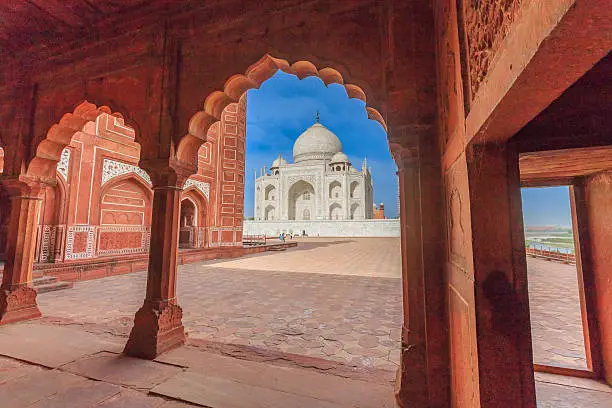
The best places to visit in India depend on when you travel and what you enjoy. For a first trip, the safest and most popular picks are Delhi, Agra and Jaipur for history, Varanasi for spiritual India, Kerala for backwaters and Goa for beaches. For mountains, choose Manali, Darjeeling or Ladakh. For wildlife, choose Kaziranga.
This guide covers 24 top destinations across North, South, East, West, North-East India and the islands. For each one, you get what to see, plus a simple table with the best months and how many days to stay. Official sources were checked on 2 November 2026, and fees and rules are marked clearly so you can plan with confidence.
Quick answer: where should you go?
- First trip: Delhi, Agra and Jaipur, then add Goa or Kerala.
- Winter (December to February): Rajasthan, Agra, Varanasi, Goa. Gulmarg and Manali for snow.
- Summer (March to June): Manali, Shimla, Darjeeling, Munnar. Ladakh opens up from May.
- Monsoon (June to September): Kerala backwaters and Munnar for green views, or Ladakh for dry, high-altitude travel.
- Honeymoon: Udaipur, Munnar, Kerala backwaters and the Andaman Islands.
- Wildlife: Kaziranga. Spiritual: Varanasi, Rishikesh and Amritsar.

Contents
- How we chose these places
- All 24 places at a glance
- Best time to visit India
- Heritage and cultural places
- Hill stations and mountains
- Beaches and islands
- Wildlife
- Spiritual places
- Nature and city escapes
- Best places by traveller type
- Taj Mahal entry fees
- UNESCO World Heritage Sites
- Festivals
- How to plan your trip
- Sample itineraries
- FAQs
How We Chose the Best Places to Visit in India
We did not make one “number one” list, because India is too varied. A place that is perfect in January can be too hot or too wet in June. Instead, we picked 24 destinations using these simple rules:
- A mix of regions: North, South, East, West, North-East and the islands.
- Cultural, historical or natural importance, including UNESCO recognition where it applies.
- Easy access for both Indian and international travellers.
- Something for different travellers: families, couples, solo travellers and budget travellers.
- Places that are open to visitors for most of the year, with seasonal limits and permits flagged.
Facts come from official sources such as Incredible India, the Press Information Bureau, UNESCO, the India Meteorological Department and the official Taj Mahal website.
All 24 Best Places to Visit in India at a Glance
Use this table to compare every destination quickly. Details for each place follow below.
| Destination | State/UT | Best time | Ideal stay | Best for |
|---|---|---|---|---|
| Agra | Uttar Pradesh | Oct–Mar | 1–2 days | History |
| Jaipur | Rajasthan | Oct–Mar | 2–3 days | Palaces, culture |
| Delhi | Delhi | Oct–Mar | 2–3 days | First-timers |
| Udaipur | Rajasthan | Oct–Mar | 2–3 days | Romance |
| Jaisalmer | Rajasthan | Nov–Feb | 2–3 days | Desert |
| Mumbai | Maharashtra | Nov–Feb | 2–3 days | City life, food |
| Hampi | Karnataka | Oct–Feb | 2–3 days | Ancient ruins |
| Mahabalipuram | Tamil Nadu | Nov–Feb | 1–2 days | Coastal temples |
| Hyderabad | Telangana | Oct–Feb | 2–3 days | Food, forts |
| Manali | Himachal Pradesh | Mar–Jun, Dec–Feb | 3–4 days | Mountains |
| Shimla | Himachal Pradesh | Mar–Jun, Dec–Feb | 2–3 days | Families, snow |
| Gulmarg | Jammu & Kashmir | Dec–Mar (snow) | 2–3 days | Skiing |
| Ladakh | Ladakh | May–Sep | 6–8 days | Adventure |
| Munnar | Kerala | Sep–Mar | 2–3 days | Tea hills |
| Darjeeling & Kalimpong | West Bengal | Mar–May, Oct–Dec | 3–4 days | Views, tea |
| Goa | Goa | Nov–Feb | 3–5 days | Beaches |
| Andaman Islands | Andaman & Nicobar | Oct–May | 5–7 days | Islands, diving |
| Kaziranga | Assam | Dry season (about Nov–Apr) | 2–3 days | Wildlife |
| Varanasi | Uttar Pradesh | Oct–Mar | 2–3 days | Spirituality |
| Rishikesh & Haridwar | Uttarakhand | Oct–Mar | 2–3 days | Yoga, rafting |
| Amritsar | Punjab | Oct–Mar | 1–2 days | Golden Temple |
| Madurai | Tamil Nadu | Nov–Feb | 2–4 days | Temples |
| Kerala Backwaters | Kerala | Sep–Mar | 1–2 nights | Relaxing |
| Bengaluru | Karnataka | Oct–Feb | 1–2 days | Gardens, food |
Our 24 destinations by travel theme
Source: Editorial shortlist for this guide, checked 2 November 2026.
Our 24 destinations by region
Source: Editorial shortlist for this guide, checked 2 November 2026.
Best Time to Visit India
India has very different weather in different regions. The plains can be extremely hot in summer, while the Himalayas can be covered in snow in winter. So the smartest way to plan is to pick your season first, then choose places that suit it. Note that India’s weather department (IMD) uses slightly different season dates from the ones travellers use, so the dates below are simple travel guides.
Winter (December to February)
This is the best season for most of India. Agra, Jaipur, Delhi, Varanasi, Goa, Jaisalmer and Udaipur are comfortable for sightseeing, and Gulmarg and Manali get snow. Watch out for fog, winter air pollution in Delhi and higher prices in peak season. For more ideas, read our list of places to visit in India in winter.
Summer (March to June)
The plains get very hot, so head to the hills: Manali, Shimla, Darjeeling and Munnar are cooler, and Ladakh opens for road travel from about May. Expect crowds and some seasonal road limits.
Monsoon (June to September)
Rain turns Kerala, Munnar and parts of the Western Ghats green, and some places are less crowded. But heavy rain can cause landslides, floods and travel delays, so keep your plans flexible and avoid mountain roads in the worst weeks.
Post-Monsoon (October to November)
Weather improves across much of India. Hampi, Jaipur, Udaipur, Varanasi, Munnar and Darjeeling are all good choices, and the landscape is still fresh and green.
Best time to visit major Indian destinations, month by month
| Place | Jan | Feb | Mar | Apr | May | Jun | Jul | Aug | Sep | Oct | Nov | Dec |
|---|---|---|---|---|---|---|---|---|---|---|---|---|
| Agra | I | I | G | A | A | A | A | A | G | I | I | I |
| Jaipur | I | I | G | A | A | A | A | A | G | I | I | I |
| Delhi | G | G | G | A | A | A | A | A | G | G | G | G |
| Varanasi | I | I | G | A | A | A | A | A | G | I | I | I |
| Manali | G | G | I | I | I | G | A | A | G | I | G | G |
| Gulmarg | I | I | G | G | G | G | G | G | G | G | G | I |
| Ladakh | A | A | A | G | I | I | I | I | I | G | A | A |
| Goa | I | I | G | G | G | A | A | A | G | G | I | I |
| Kerala Backwaters | I | I | G | G | G | A | A | A | G | I | I | I |
| Kaziranga | I | I | G | G | A | A | A | A | A | G | I | I |
I = Ideal, G = Good, A = Avoid. Ratings are editorial, based on India Meteorological Department season patterns and Incredible India weather guidance, checked 2 November 2026.
Best Places to Visit in India Month by Month
| Month | Good choices |
|---|---|
| January | Rajasthan, Agra, Varanasi, Goa, Kerala, Gulmarg (snow) |
| February | Rajasthan, Agra, Hampi, Goa, Kaziranga, Gulmarg |
| March | Manali, Shimla, Darjeeling, Munnar, Kaziranga |
| April | Manali, Shimla, Darjeeling, Andaman Islands |
| May | Manali, Shimla, Darjeeling, Ladakh, Andaman Islands |
| June | Ladakh, Manali |
| July | Ladakh. Kerala and Munnar if you enjoy the rain |
| August | Ladakh. Kerala and Munnar if you enjoy the rain |
| September | Ladakh, Munnar, Kerala backwaters |
| October | Rajasthan, Agra, Hampi, Varanasi, Darjeeling, Munnar, Andaman Islands |
| November | Jaipur, Udaipur, Jaisalmer, Goa, Hampi, Varanasi |
| December | Goa, Andaman Islands, Rajasthan, Gulmarg, Manali |
Best Heritage and Cultural Places to Visit in India
India’s forts, palaces and temples are the main reason many people visit. Rajasthan alone could fill a whole trip, and our Rajasthan travel guide goes deeper if you want more than the highlights.
1. Agra – Home of the Taj Mahal
Agra is the city of the Taj Mahal, a UNESCO World Heritage Site since 1983, and it is the most famous stop on any India trip. Two more Mughal sites make the visit richer.
Don’t miss: Taj Mahal, Agra Fort and Fatehpur Sikri.
Good to know: The Taj Mahal is closed on Fridays. Expect crowds, touts and strong heat from April to June.

2. Jaipur – The Pink City
Jaipur is the capital of Rajasthan and a UNESCO-listed city (2019). Its Jantar Mantar observatory is also listed (2010). Palaces, forts and busy bazaars sit close together, so it works well for families.
Don’t miss: Amber Fort, Hawa Mahal, City Palace, Jantar Mantar and the local bazaars.
Good to know: Winter brings pollution and big crowds. Jaipur pairs easily with Agra, Delhi and Udaipur.
3. Delhi – History Meets Modern India
Delhi is India’s capital and the main entry point for many visitors. Two of its sites are UNESCO-listed: Humayun’s Tomb and the Red Fort Complex.
Don’t miss: Red Fort, Humayun’s Tomb, Qutub Minar, India Gate, museums and street food.
Good to know: Air quality can get poor in winter, so keep some indoor plans, such as museums, as a backup.
4. Udaipur – The City of Lakes
Udaipur is known for palaces reflected in calm lakes, which makes it a favourite for couples.
Don’t miss: Lake Pichola, the City Palace and an evening boat ride.
Good to know: Attractions such as the City Palace and lake cruises sell separate tickets. Prices rise in peak season. Jodhpur and Mount Abu are easy add-ons.
5. Jaisalmer – The Golden Desert City
Jaisalmer rises from the Thar Desert with a golden sandstone fort that is still home to local families.
Don’t miss: Jaisalmer Fort, Sam Sand Dunes, a camel safari and a night in a desert camp.
Good to know: Summer heat is extreme, so go between November and February. Jaisalmer’s airport has limited flights, and many travellers come via Jodhpur.
6. Mumbai – India’s Coastal Metropolis
Mumbai mixes colonial buildings, Art Deco streets, film culture and great food. Three UNESCO sites are linked to the city: Elephanta Caves, Chhatrapati Shivaji Maharaj Terminus and the Victorian and Art Deco Ensemble.
Don’t miss: Gateway of India, Marine Drive, Elephanta Caves and a food walk.
Good to know: Monsoon floods, traffic and high hotel prices are the main downsides.
7. Hampi – The Lost Vijayanagara Empire
Hampi is a UNESCO site (1986) with ruined temples and markets scattered between giant boulders. It feels like an open-air museum.
Don’t miss: Virupaksha Temple, the Stone Chariot and the boulder landscapes at sunset.
Good to know: The nearest airport is Vidyanagar and the main railhead is Hospet. It is very hot outside winter.
8. Mahabalipuram – Temples by the Sea
Mahabalipuram’s rock-cut temples are UNESCO-listed (1984) and sit right beside the Bay of Bengal.
Don’t miss: Shore Temple and Pancha Rathas.
Good to know: It works as a one-day trip from Chennai, or two days with Kanchipuram. Midday heat and weekend crowds are the main issues.
9. Hyderabad – Heritage and Food
Hyderabad has Nizam-era buildings, old bazaars and the famous Deccani food culture.
Don’t miss: Charminar and Golconda Fort.
Good to know: Ramappa Temple, a UNESCO site (2021), is a good day trip from the city. Traffic and summer heat are the main challenges.
Best Hill Stations and Mountain Places in India
The mountains are where India’s plains travellers escape the summer. For a longer list with more options, see our guide to the best hill stations in India.
10. Manali – A Himalayan Escape
Manali is a lively base for mountain views, snow and adventure sports, and it is popular with couples, families and backpackers.
Don’t miss: Solang Valley and the road toward the Atal Tunnel.
Good to know: Rules for high passes and the tunnel can change, so check before you go. Landslides, traffic jams and altitude are common concerns. Bhuntar is the nearest airport and Chandigarh is the main railhead.

11. Shimla – A Classic Hill Station
Shimla is a colonial-era hill town with cool summers and mountain views, and it is easy for families.
Don’t miss: Mall Road, The Ridge, Jakhoo Temple and the Kalka–Shimla toy train.
Good to know: Traffic is heavy in season and roads can be icy in winter. Chandigarh is the practical airport.
12. Gulmarg – India’s Snow and Ski Destination
Gulmarg is best known for skiing and snowboarding, and Incredible India names it as a winter-sports spot. In summer it turns into green meadows.
Don’t miss: The Gondola and snow activities.
Good to know: Check the latest travel advisories for Jammu & Kashmir before you book, as some governments advise against travel to parts of the region. Snow and weather can disrupt plans.

13. Ladakh – A High-Altitude Adventure
Ladakh is a high-altitude desert of blue lakes, old monasteries and huge mountain roads. It is a top choice for adventure travellers and photographers.
Don’t miss: Leh, Pangong Lake, Nubra Valley and the monasteries.
Good to know: Altitude sickness is a real risk, so spend your first days resting and getting used to the height. Road access is seasonal and winter travel is very limited. Check current permit rules for protected areas with the official Ladakh administration.
14. Munnar – Tea Gardens and Green Hills
Munnar is a quiet hill station covered in tea estates and Western Ghats scenery, and it is a favourite for honeymooners and families.
Don’t miss: Tea plantations, Eravikulam National Park and viewpoints.
Good to know: Heavy monsoon rain can cause landslides. Cochin is the nearest major airport.
15. Darjeeling and Kalimpong – Himalayan Views and Tea
These two hill towns in West Bengal offer tea estates, monasteries, colonial charm and views of the Himalayas.
Don’t miss: Tiger Hill, the Darjeeling Himalayan Railway and tea estates.
Good to know: The nearest airport is Bagdogra and the nearest station is New Jalpaiguri, followed by a road transfer. Landslides and changing weather can slow travel.
Best Beaches and Island Destinations in India
India has hundreds of miles of coastline, but two places stand out. If you want more options, see our list of the best beaches in India.

16. Goa – Beaches, Culture and Nightlife
Goa has two moods. North Goa is lively, with busy beaches and nightlife. South Goa is quieter and better for relaxing. The state is also home to the UNESCO-listed Churches and Convents of Goa (1986).
Don’t miss: A beach day, an old-church walk and local seafood.
Good to know: Peak season is crowded, and monsoon makes the beaches unsafe for swimming. There are two airports, Dabolim and Mopa.
17. Andaman and Nicobar Islands – Clear Water and Coral
The Andamans are famous for white-sand beaches, snorkelling and scuba diving. Most trips start at Port Blair and continue by ferry.
Don’t miss: Swaraj Dweep (Havelock), Shaheed Dweep (Neil) and Radhanagar Beach.
Good to know: Ferries depend on weather, and outer islands have limited medical help. Check permit rules for foreign visitors and protected areas with the Andaman & Nicobar Administration.
Best Wildlife Destination in India
18. Kaziranga National Park – Home of the One-Horned Rhino
Kaziranga in Assam is a UNESCO natural site and a flagship wildlife park. It is best known for the Indian one-horned rhinoceros, and it is also good for birdwatching.
Don’t miss: A jeep safari at dawn and a trip to Majuli island.
Good to know: The park is open mainly in the dry season, roughly from November to April, but confirm exact dates and book safari permits with Assam’s forest or tourism authorities. Monsoon floods can close parts of the park. Guwahati and Jorhat are the nearest airports. For other parks, read our guide to the best wildlife safaris in India.

Best Spiritual and Pilgrimage Places in India

19. Varanasi – The Spiritual Heart of India
Incredible India describes Varanasi as one of the world’s oldest inhabited cities. Life here centres on the Ganges and its stone steps, called ghats.
Don’t miss: Ganga Aarti at Dashashwamedh Ghat, a sunrise boat ride, Kashi Vishwanath Temple and Sarnath.
Good to know: It is intense and crowded. Respect the rituals, dress modestly and ask before taking photos of people.
20. Rishikesh and Haridwar – Yoga, Prayer and Adventure
Rishikesh is the yoga capital of India. It also offers rafting and bungee jumping, while Haridwar is known for its evening Ganga Aarti.
Don’t miss: A yoga class, the Ganga Aarti and a rafting trip.
Good to know: River conditions in monsoon can be dangerous, so use a trusted operator. The nearest airport is Jolly Grant in Dehradun.
21. Amritsar – The Golden Temple
Amritsar is the holy centre of Sikhism. The Golden Temple is open to everyone, and entry is traditionally free. Visitors can share a simple meal at the community kitchen, called langar.
Don’t miss: Golden Temple, Jallianwala Bagh and the Wagah Border ceremony.
Good to know: Cover your head, remove your shoes and expect large crowds during religious festivals.
22. Madurai – South India’s Temple Capital
Madurai is built around the Meenakshi Amman Temple, a living temple with tall, colourful gateway towers. It is a good base for the wider Tamil Nadu temple trail.
Don’t miss: Meenakshi Amman Temple, then Thanjavur and Rameswaram.
Good to know: Great Living Chola Temples near Thanjavur are UNESCO-listed. Temples have dress codes, and heat and festival crowds are common.
Best Nature and City Escapes in India

23. Kerala Backwaters and Alappuzha – A Slow Houseboat Trip
Kerala’s backwaters are a network of canals, lakes and villages. A one-night houseboat stay is the classic way to see them, and it is popular with couples and families.
Don’t miss: Canal cruises, village life and local fish curry.
Good to know: Boat standards vary a lot, so book a reliable operator with good reviews. Monsoon brings high humidity. Cochin is the nearest airport.
24. Bengaluru – Gardens, Food and a City Break
Bengaluru is a modern city with green parks and a strong café and food scene. Incredible India calls it the Silicon Valley of India.
Don’t miss: Lalbagh, Cubbon Park and Bengaluru Palace.
Good to know: Traffic is heavy. Most visitors use the city as a gateway to Mysuru, Coorg and Hampi. If you are planning more of the south, see our guide to the best places to visit in South India.
Best Places to Visit in India for Different Travellers
Use these short lists if you already know who you are travelling with.
First-Time Visitors
Start with Delhi, Agra and Jaipur, the classic route known as the Golden Triangle. Then add Goa for beaches or Kerala for slow, green scenery. These places are well connected and easy to reach.
Families
Jaipur, Shimla, Manali, Goa, the Kerala backwaters and Darjeeling work well. They have good hotels, easy sightseeing and activities for kids.
Honeymooners
Udaipur, Manali, Gulmarg, Munnar, Goa, the Andaman Islands and the Kerala backwaters offer privacy and romance. Our guide to the best honeymoon places in India compares them by season.
Solo Travellers
Rishikesh, Varanasi, Jaipur, Hampi, Goa and Ladakh all have hostels, shared tours and other travellers to meet. Book your first night in advance, use reliable transport and follow local advice on safety.
Budget Travellers
Varanasi, Rishikesh, Jaipur, Amritsar, Hampi and Darjeeling are known for being easy on the wallet. Travel outside peak season, use trains and buses, and book hotels near transport hubs to save more. We could not verify current daily prices from an official source, so check recent hotel and food prices before you set a budget.
| Destination | Crowds (5 = quiet) | Budget (5 = cheap) | Family | Adventure | Ease of access |
|---|---|---|---|---|---|
| Agra | 2 | 4 | 4 | 2 | 5 |
| Jaipur | 3 | 4 | 5 | 3 | 5 |
| Delhi | 2 | 4 | 4 | 2 | 5 |
| Varanasi | 2 | 4 | 3 | 2 | 4 |
| Manali | 3 | 4 | 4 | 4 | 3 |
| Goa | 3 | 4 | 4 | 3 | 4 |
| Hampi | 4 | 4 | 3 | 3 | 3 |
| Munnar | 4 | 3 | 4 | 3 | 3 |
| Kerala Backwaters | 4 | 3 | 5 | 2 | 4 |
| Ladakh | 5 | 2 | 2 | 5 | 2 |
Taj Mahal Entry Fees
The Taj Mahal is the one attraction where we verified current prices on the official website (checked 2 November 2026). Fees differ by visitor type, and the main mausoleum costs extra.
| Visitor type | Base entry fee | Main mausoleum (optional) |
|---|---|---|
| Indian citizens and OCI cardholders | ₹50 | ₹200 |
| SAARC and BIMSTEC visitors | ₹540 | ₹200 |
| Foreign visitors and NRIs | ₹1,100 | ₹200 |
Taj Mahal base entry fee by visitor type (₹)
Source: Official Taj Mahal website, checked 2 November 2026. The optional main mausoleum ticket costs ₹200 extra for every group.
The Taj Mahal is closed on Fridays. A golf cart costs Indian citizens ₹25 per person, and it is included for foreign, SAARC and BIMSTEC ticket holders. Fees at other monuments change and vary by state, so check the Archaeological Survey of India or the official state tourism site before you go.
India’s UNESCO World Heritage Sites
India now has 45 UNESCO World Heritage properties, according to a Press Information Bureau release dated 30 October 2026. Of these, 37 are cultural, 7 are natural and 1 is mixed. Many of the places in this guide are on the list, including the Taj Mahal, Humayun’s Tomb, the Red Fort Complex, Jaipur City, Hampi, Mahabalipuram, the Churches and Convents of Goa, Kaziranga and Ramappa Temple.
India’s UNESCO World Heritage Sites by type
Source: Press Information Bureau, 30 October 2026, and UNESCO India page.
Want the full list? See our guide to UNESCO World Heritage Sites in India.
Major Festivals and Events in India
Festivals make a trip special, but they also bring bigger crowds and higher hotel prices. Many dates follow the lunar calendar and change every year, so confirm them with the official state tourism board before booking.
| Month | Festival or event | Date note |
|---|---|---|
| January | Republic Day | Fixed: 26 January |
| February–March | Holi | Lunar date, changes yearly |
| March–April | Ram Navami | Lunar date, changes yearly |
| August | Independence Day | Fixed: 15 August |
| August–September | Ganesh Chaturthi | Lunar date, changes yearly |
| September–October | Durga Puja and Navratri | Lunar date, changes yearly |
| October–November | Diwali | Lunar date, changes yearly |
| November | Pushkar Camel Fair | Check Rajasthan tourism |
| December | Hornbill Festival, Nagaland | Reported as 1–10 December 2026. Verify with Nagaland tourism |
| Winter | Rann Utsav, Gujarat | Reported as 1 November 2026 to 7 March 2027. Verify before booking |
How to Plan Your India Trip
How Many Days Do You Need?
- 7 days: one region, or the Golden Triangle (Delhi, Agra, Jaipur).
- 10 days: one regional circuit with a few extra stops.
- 14 days: several regions, with realistic travel time between them.
Trying to cover the whole country in one trip means spending most of it in transit. Pick a region, and see our India travel itinerary guide for route ideas.
Getting Around
Domestic flights are best for long distances. Indian Railways is the main long-distance option, and you can book on the official IRCTC website. Intercity buses, private taxis and car hire fill the gaps. In mountain areas, roads can close in bad weather, so keep a spare day in your plan.
Visa for Foreign Tourists
Most visitors apply for an e-Tourist Visa on the official Indian e-Visa portal. Three options are offered: 30 days, 1 year or 5 years. The 30-day visa is valid for 30 days from your first arrival. The 1-year and 5-year visas allow multiple entries, with a maximum stay of 180 days in a calendar year. Fees depend on your country, and payment must be made at least four days before travel. The government says it does not authorise agents to charge extra fees, so use the official site. Foreign visitors can also submit an online e-Arrival card within 72 hours before arrival.
Permits and Restricted Areas
- Ladakh: some protected areas need an Inner Line Permit. Check the current rules with the official Ladakh administration.
- Andaman and Nicobar: check permit rules for foreign visitors and protected areas.
- National parks: safaris need advance booking, and parks have seasonal closures.
- Border areas: avoid the India–Pakistan border area unless essential.
Safety and Health
- Read the latest FCDO India travel advice. At the time of research, it advised against travel to Manipur except Imphal and the Meitei Valley.
- Take altitude seriously in Ladakh, Manali and Gulmarg, and rest if you feel unwell.
- In monsoon, expect landslides and flooding in hills, and avoid river activities.
- Use trusted taxis, hotels and tour operators.
- Check vaccination advice with your doctor or a travel health service such as NHS Fit for Travel, the CDC or the WHO before you leave.
More practical help is in our India travel tips article.
Money, Internet and Etiquette
- Carry some cash for small towns and local transport.
- Buy a local SIM or eSIM so you have maps and ride apps. Rules for tourist SIMs can change, so check with the provider.
- Dress modestly at temples, gurdwaras and mosques, and remove shoes where asked.
- Ask before photographing people, rituals or ceremonies.
Sample India Itineraries
These are route ideas, not exact timetables. Check current train, flight and road times before you book.
7 Days: Golden Triangle
- Days 1–2: Delhi
- Days 3–4: Agra
- Days 5–7: Jaipur, then return to Delhi
10 Days: North India Heritage and Spirituality
- Delhi → Agra → Jaipur → Varanasi
10 Days: South India Nature and Heritage
- Bengaluru → Mysuru → Hampi → Kochi → Munnar → Alappuzha
14 Days: First-Time India
- Delhi → Agra → Jaipur → Udaipur → Mumbai → Goa → Kochi or Alappuzha
14 Days: Mountains and North-East
- Delhi → Amritsar → Manali → Guwahati → Kaziranga → Shillong
Islands and Beaches
- Port Blair → Swaraj Dweep → Shaheed Dweep → back to Port Blair
Frequently Asked Questions About Visiting India
What are the best places to visit in India?
Top picks include Agra, Jaipur, Delhi, Varanasi, Goa, Kerala, Udaipur, Ladakh and Darjeeling. The best choice depends on your season, budget and interests. First-time visitors often start with the Golden Triangle of Delhi, Agra and Jaipur.
What is the No. 1 tourist place in India?
The Taj Mahal in Agra is India’s most famous attraction and often ranks first on travel sites. But there is no single best place for everyone. Beach lovers, mountain fans and history buffs will each choose differently.
What is the best time to visit India?
October to March is the best time for most of India, because the weather is cooler and drier. For the Himalayas and Ladakh, May to September is better. Always match the place to the season.
Which places are best for first-time visitors?
Delhi, Agra, Jaipur, Goa and Kerala are the easiest places for a first trip. They have good transport, a wide choice of hotels and major sights, and they can be combined in one route.
Which are the best places to visit in India in winter?
Agra, Jaipur, Udaipur, Jaisalmer, Varanasi and Goa are comfortable in winter. For snow, choose Gulmarg or Manali. Expect fog and some pollution in the north, and higher hotel prices.
Where should I go in India for a summer holiday?
Choose the hills: Manali, Shimla, Darjeeling and Munnar. Ladakh opens for road travel from about May. Avoid Agra, Jaipur and other plains destinations from April to June, when the heat can be extreme.
Which are the best honeymoon destinations in India?
Udaipur, Manali, Gulmarg, Munnar, Goa, the Andaman Islands and the Kerala backwaters are top choices. They offer scenery and privacy. Pick by season: snow in winter, tea hills or beaches at other times.
What are the best hill stations in India?
Manali, Shimla, Darjeeling, Kalimpong and Munnar are popular. Gulmarg is best for winter snow. Most hill stations are busiest in summer, and monsoon can bring landslides, so check road conditions before you travel.
Which are the best beaches in India?
Goa has the most famous beaches, with a lively north and a calmer south. The Andaman Islands, including Radhanagar Beach on Swaraj Dweep, offer clearer water, coral and diving. Both are best between November and February.
What are the cheapest places to visit in India?
Varanasi, Rishikesh, Jaipur, Amritsar, Hampi and Darjeeling are known for being budget-friendly. Prices change by season, so check recent hotel and food prices. Travelling outside peak months usually saves money.
Is India suitable for solo travellers?
Yes, many people travel solo in India. Rishikesh, Varanasi, Jaipur, Hampi, Goa and Ladakh are popular with solo visitors. Book your first night ahead, use reliable transport, dress modestly and follow local advice.
How many days are enough to explore India?
Seven days is enough for the Golden Triangle or one region. Ten days lets you add a second area. Fourteen days works for several regions. Avoid trying to see the whole country in one trip.
Do foreign tourists need a visa to visit India?
Most foreign visitors need a visa, and many apply online for an e-Tourist Visa on the official Indian e-Visa portal. Options are 30 days, 1 year or 5 years. Fees and eligibility depend on your nationality.
Which places in India need special permits?
Some protected areas in Ladakh need an Inner Line Permit, and the Andaman and Nicobar Islands have permit rules for protected areas. National parks like Kaziranga need advance safari permits. Always check official sources.
Final Thoughts: Choosing the Best Places to Visit in India
India offers snow peaks, desert forts, tea hills, tropical islands and ancient temples, all in one country. The best place for you depends on your season, your budget and what you enjoy. Choose one region, give each stop enough time, and check fees, permits and advisories on official sites before you go. If you want to start planning today, begin with the Golden Triangle in winter, or with Kerala and Goa for a gentler first trip.
Last updated: 2 November 2026.
Sources and Official Links
- Incredible India – destinations and weather guidance
- Official Taj Mahal website – tickets and timings
- Press Information Bureau – UNESCO count, 30 October 2026
- UNESCO India – World Heritage list
- India Meteorological Department – seasons and climate
- Indian e-Visa portal – visa information
- FCDO India travel advice – safety and advisories