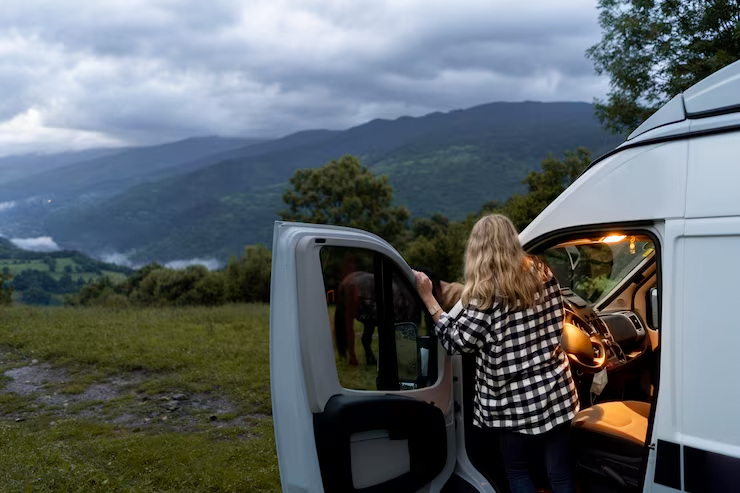
There’s something timeless about the idea of the open road. Whether you’re planning a weekend getaway, a cross-country drive, or a long-term adventure exploring new landscapes, road trips feel like freedom in motion. Over the last few years, many travelers have shifted toward car-based travel rather than flying, and the popularity of van life and mobile travel continues to rise. For some, that means packing up a backpack and heading out spontaneously. For others, especially those traveling in a camper van or RV, preparation includes practical considerations, making sure the vehicle is road-ready and knowing where reliable RV repair options exist along the route in case something unexpected happens.
The year 2026 has brought new tools, smarter technology, and changing travel expectations, but one thing hasn’t changed: the success of any road trip still depends on preparation. Before the engine turns over and the highway stretches ahead, it’s worth slowing down long enough to make sure everything, from your vehicle to your mindset, is truly road-ready.
Start With the Vehicle, It’s Your Lifeline
No matter how beautiful the route or how detailed the itinerary, the road trip experience ultimately depends on your vehicle’s reliability. If you’re driving a personal car, a rental SUV, a converted van, or a fully outfitted motorhome, the same rule applies: a little preparation can prevent unexpected breakdowns and stress.
For RV travelers, especially those traveling long distances or through rural areas, planning ahead can be even more important. Knowing where you can get assistance if something goes wrong can make the difference between a temporary setback and a crisis. Many travelers keep a short list of trusted service providers, whether national roadside assistance programs or region-specific specialists. For example, some travelers bookmark resources that many rely on when traveling through Michigan or the surrounding states. The point isn’t to anticipate disaster but to travel with confidence.
Once you know help is accessible if needed, it becomes easier to focus on the adventure rather than the “what ifs.”
Modern drivers also have the benefit of new vehicle technology. Many cars and RVs now come with built-in diagnostic tools and early-warning systems. These help detect low tire pressure, battery issues, worn brake pads, or even engine irregularities before they become serious. According to research published by the National Highway Traffic Safety Administration, routine mechanical checks dramatically reduce the risk of breakdowns during long-distance travel. In other words, a few preventative steps now may save a full travel reroute later.
Technology Has Changed How We Prepare
Compared to road trips of the past, planning looks different now. Today, smartphones and navigation tools handle much of the organization. GPS systems are nearly universal, apps locate fuel stations and campsites, and smart vehicles can even self-diagnose or display alerts before an issue becomes serious.
But while technology makes the planning process easier, it doesn’t replace basic preparedness. You’ll still want to check oil levels, tire pressure, spare tire condition, brake status, wiper fluid, and battery health. These aren’t glamorous tasks, but they set the foundation for smooth travel.
In 2026, many electric and hybrid vehicles will also hit longer ranges, meaning charging plans will now exist alongside fuel stops. Mapping chargers along the route isn’t just practical, it’s essential.
Pack Smart, But Don’t Overpack
Packing for a road trip is a balance between bringing what you need and keeping things simple. Essentials still include clothing for changing weather, snacks, water, first-aid supplies, and basic car tools. Beyond that, it becomes a matter of personal travel style.
Some travelers pack light intentionally to leave room for spontaneity. Others treat the vehicle like a rolling home and prepare for anything, especially those traveling in RVs or custom vans designed for long journeys.
There isn’t one “right” approach, but thoughtful packing prevents stress and clutter. A good question to ask for every item is: Will this improve my comfort, safety, or experience? If not, it may stay behind.
Mindset Matters, Not Just Maintenance
Planning a road trip is partly logistical and partly emotional. Road travel isn’t always smooth. Weather changes, traffic slows everything down, and sometimes plans shift unexpectedly. The magic of road trips comes from being open to the unexpected, the unplanned detour, the scenic overlook you never meant to find, the small-town diner that becomes a favorite memory.
A flexible mindset makes the practical preparation worthwhile. When the foundation is solid, you have the freedom to explore without worrying.
Safety and Comfort Go Hand in Hand
Road trips aren’t about racing to the destination. They’re about the journey, and enjoying that journey means prioritizing rest and comfort. Planning where you’ll sleep, whether in hotels, campgrounds, rest stops, or inside a vehicle, helps maintain energy and prevent exhaustion.
For RV travelers, especially, campgrounds and overnight parking rules differ by region. Verifying legal overnight spots, booking busy locations in advance, and identifying alternatives along the route can prevent stress when daylight fades.
Comfort also includes pacing the route realistically. Build in pauses, not just for the body, but for the experience. Sunsets look better when you aren’t rushing.
Planning Doesn’t Remove Adventure – It Makes Room for It
Some road-trip purists argue that planning ruins spontaneity. The truth is almost the opposite. A well-prepared trip gives structure where necessary, safety, maintenance, and communication, and leaves the rest open. When the basics are secure, curiosity can lead the way.
Travel is changing, and so are travelers. Road trips in 2026 aren’t just about distance; they’re about experience, connection, and reclaiming time in a world that moves fast.
Whether your journey is short or cross-country, the road offers something timeless, the pause between places, the quiet rhythm of the engine, the freedom to stop anywhere.
And when the vehicle is ready, the route planned, and your mindset open, the road doesn’t just take you somewhere.
It becomes part of the story.
Read also: Veneajelu: Find Your Flow on the Water