Adventure travel is exciting, but it also comes with real risks that normal travel insurance often doesn’t cover. If you’re planning activities like trekking, scuba diving, skiing, or rafting, choosing the right travel insurance for adventure sports can protect you from huge medical bills, trip cancellations, and emergency evacuations.
This guide is designed for travelers from the USA and UK who want clear, honest advice on how to choose the best travel insurance for adventure sports—without confusion or hidden surprises.
Why Regular Travel Insurance Isn’t Enough for Adventure Sports
Most basic travel insurance policies are made for sightseeing trips. The moment you add adventure activities, coverage can change or disappear entirely.
Common issues with standard policies include:
- Adventure sports are listed as exclusions
- Low medical coverage limits
- No search and rescue protection
- Restrictions based on altitude or depth
If you’re planning an active trip, relying on standard insurance can be a costly mistake.
What Counts as an Adventure Sport for Insurance?
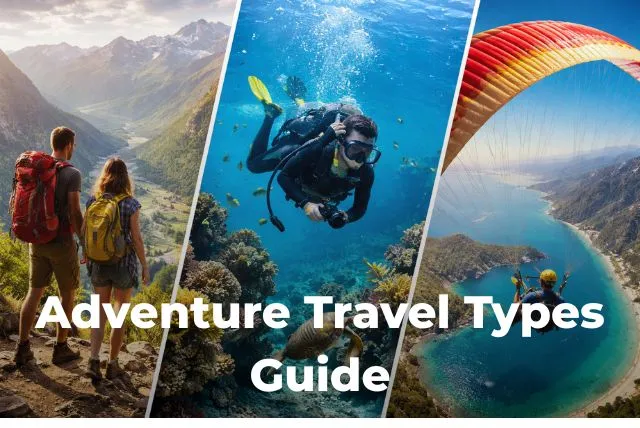
Insurance companies define adventure sports broadly. Activities often classified as adventure sports include:
- Trekking and hiking above certain altitudes
- Skiing, snowboarding, and off-piste activities
- Scuba diving and freediving
- White-water rafting and kayaking
- Paragliding, zip-lining, and skydiving
- Mountain biking and rock climbing
Coverage usually depends on whether the activity is guided, your experience level, and where the activity takes place.
Key Coverage You Must Have for Adventure Travel
Before buying any policy, make sure it includes these essential protections.
1. High Medical Coverage
Adventure-related injuries can be expensive, especially overseas. Look for policies with strong medical coverage suitable for international travel.
2. Emergency Evacuation and Rescue
This is one of the most important features of adventure travel insurance. Coverage should include:
- Helicopter evacuation
- Mountain or sea rescue
- Transport to the nearest suitable medical facility
Evacuation costs alone can reach tens of thousands of dollars without insurance.
3. Adventure Activity Inclusion
Never assume an activity is covered. Always confirm:
- Your exact activity is listed
- Altitude or depth limits are acceptable
- Certification or guide requirements are met
4. Trip Cancellation and Interruption
Adventure trips are often affected by weather, injuries, or unexpected events. Trip cancellation and interruption coverage can protect your investment.
5. Gear and Equipment Protection
Adventure gear is expensive. Some policies offer protection for:
- Lost or stolen equipment
- Damaged gear
- Rental equipment
Travel Insurance for Adventure Sports: USA vs UK Travelers
USA Travelers
Travelers from the USA should prioritize high medical limits and emergency evacuation coverage. Medical treatment abroad can still be costly, and rescue services may not be free.
UK Travelers
UK travelers may have access to limited healthcare support in certain regions, but adventure activities are often excluded. Specialized adventure insurance is still essential for trips outside basic tourism.
No matter where you’re from, adventure travel requires extra protection.
Common Exclusions You Must Check
Even adventure-focused policies have exclusions. Always read the fine print for:
- Maximum altitude limits for trekking
- Diving depth restrictions
- Alcohol or drug-related incidents
- Professional or competitive sports
- Ignoring local safety warnings
If an activity is excluded, claims related to it will be rejected.
How to Choose the Best Travel Insurance for Adventure Sports
Use this checklist before purchasing:
- Is your adventure activity clearly covered?
- Are the altitude and depth limits suitable?
- Is emergency evacuation included?
- Are medical coverage limits sufficient?
- Is 24/7 emergency assistance available?
If the policy wording is unclear, look for a better provider.
Single-Trip vs Annual Adventure Travel Insurance
Single-Trip Policies
Best for travelers planning an adventure holiday or a specific destination trip.
Annual Multi-Trip Policies
Ideal for frequent travelers, digital nomads, or anyone planning multiple adventure trips in a year. These plans can be more cost-effective long-term.
When Should You Buy Adventure Travel Insurance?
The best time to buy adventure travel insurance is as soon as you book your trip. Early purchase ensures:
- Trip cancellation protection
- Coverage for pre-departure emergencies
- Peace of mind during planning
Planning an Adventure Trip? Match Your Insurance With Your Activity
Adventure insurance should always match the type of activity you plan to do. For example, water-based adventures like kayaking or rafting require different coverage than mountain trekking.
If your trip includes river or water activities, you may find inspiration from experiences like Veneajelu: Find Your Flow on the Water, which highlight the kind of environments where proper adventure insurance is essential.
FAQs About Travel Insurance for Adventure Sports
Is travel insurance for adventure sports really necessary?
Yes. Standard policies often exclude adventure activities, leaving travelers exposed to very high costs.
Does adventure insurance cover trekking and hiking?
Usually yes, but altitude limits and guide requirements apply.
Is adventure travel insurance expensive?
Compared to the cost of medical treatment or evacuation, it is very affordable and highly recommended.
Final Thoughts
Adventure travel is about exploration and excitement, but it shouldn’t come with financial risk. Choosing the best travel insurance for adventure sports ensures you’re protected if something unexpected happens.
Before your next trip, don’t just plan your route and pack your gear—make sure your insurance matches your adventure.