Short answer: Chitkul has no bank ATM. In 2021 one of its two village shops became a Spice Money mini-ATM, where you can withdraw a little cash with a debit card, but it depends on the shop being open and the network working, so treat it as an emergency backup only. Sangla, 24 km down the valley, has the valley’s only regular ATM, and it often runs out of cash, especially on weekends and in peak season. Rakchham and Batseri have none. The reliable place to withdraw is Reckong Peo, the district headquarters, 39 km from Sangla and about 63 km from Chitkul, or Rampur Bushahr if you are coming from Shimla. Carry enough cash for your whole stay in the valley, plus a buffer of ₹5,000–8,000 per person.
I will be honest with you: this is the question people forget to ask until they are standing in Chitkul with an empty wallet and a homestay owner who cannot take cards. The Sangla valley is one of the most beautiful corners of Himachal, but it is also remote, the signal is patchy and a lot of business still runs on cash. Below I have laid out exactly where you can get money between Shimla and Chitkul, how reliable each point is, how much to carry, and what works when the cash runs out.
Where You Can Get Cash: The Quick View
The Road to Chitkul, Stop by Stop
Most travellers reach the valley from Shimla along NH-5 through Rampur, turning off at Karcham, where the Baspa meets the Sutlej, and climbing to Sangla and Chitkul. Others come down from Reckong Peo and Kalpa. Here is the route with the cash situation at each stop.
Chitkul: No Bank ATM, One Mini-ATM Shop
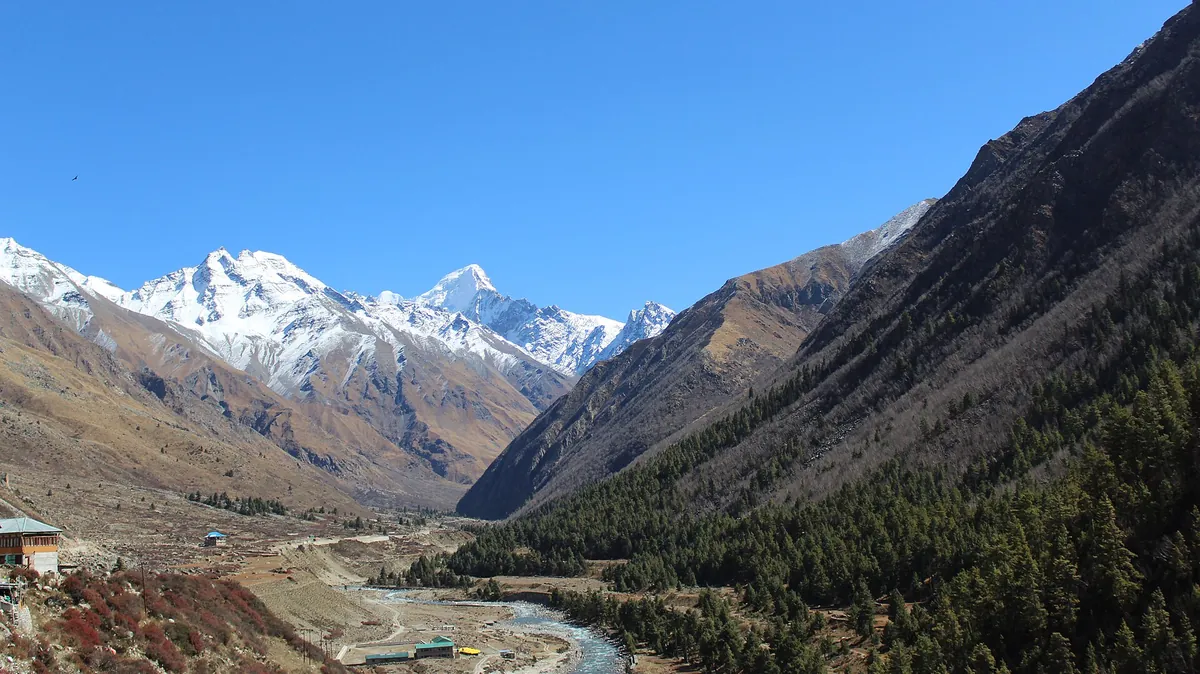
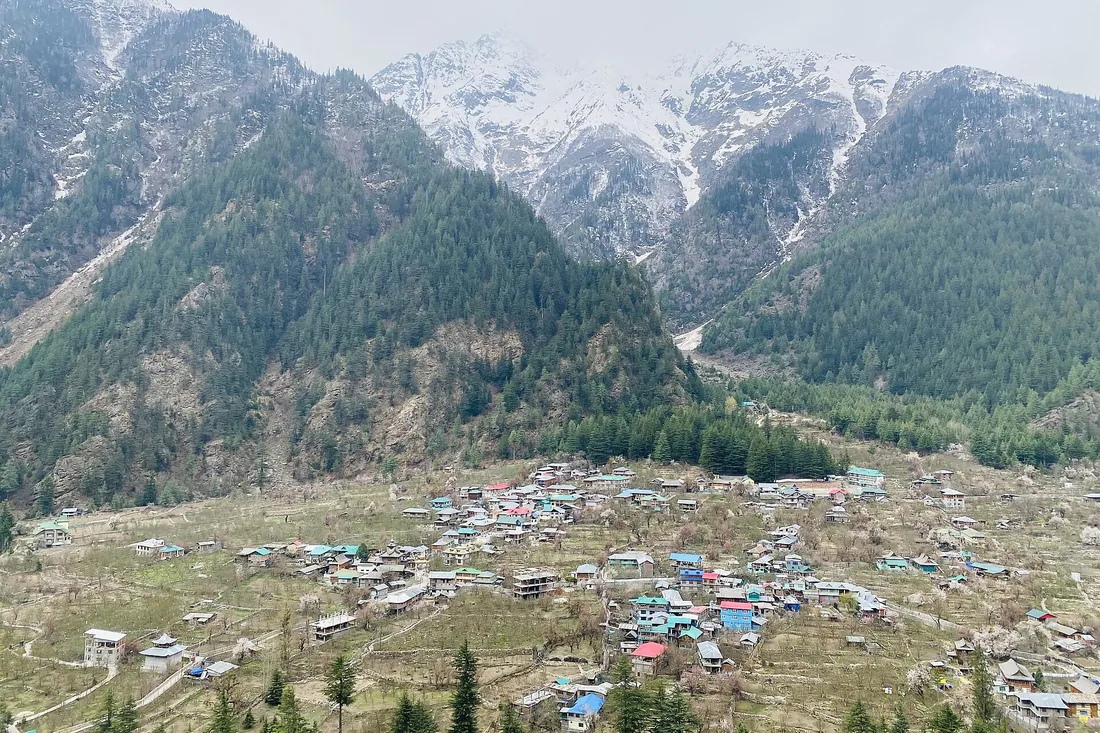
Chitkul, at about 3,450 m, is the last village on the road up the Baspa valley before the Tibet border, home to about 900 people and a couple of dozen guesthouses. It has never had a bank ATM. In May 2021, the fintech company Spice Money turned one of the village’s two grocery shops into a “Digital Dukaan” mini-ATM, where you can withdraw or deposit small amounts of cash with debit and credit cards from major banks. Before that, the nearest ATM was in Sangla, about 25 km away.
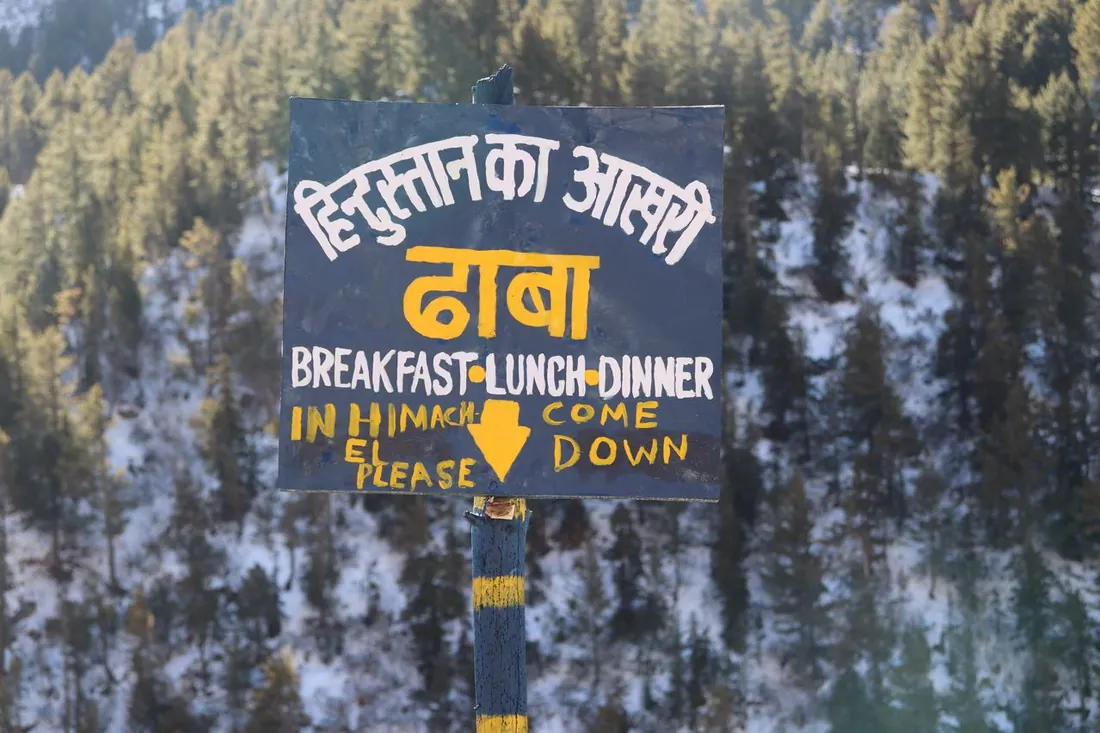
Can you rely on the mini-ATM?
- Not fully. It runs from a shop, so it depends on the shop being open, on the shopkeeper having cash, and on the network, which in Chitkul is weak.
- Amounts are small. Mini-ATMs are meant for everyday withdrawals, not for paying a whole stay.
- Things change. The service was launched in 2021; ask your host whether it is still running before you count on it.
My advice: arrive in Chitkul with all the cash you need for your stay there, and think of the mini-ATM as a spare tyre, not a plan.
Sangla: An ATM, but Do Not Depend on It
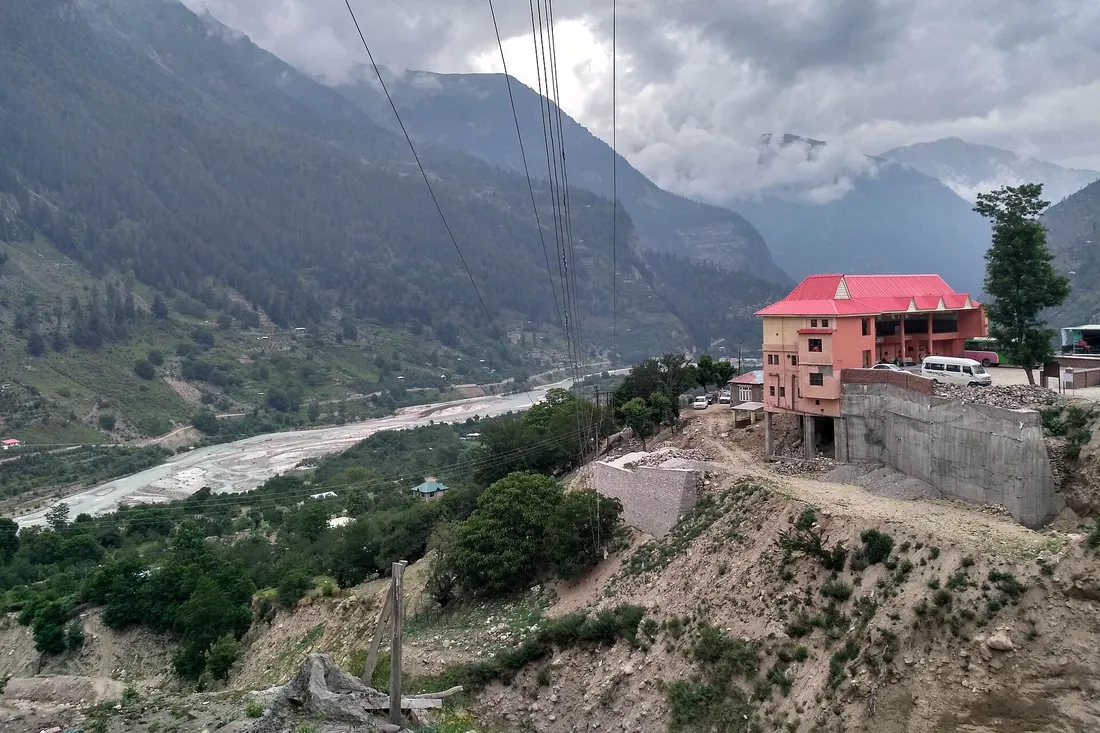
Sangla, at about 2,650 m, is the valley’s main town, with the bus stand, shops, hotels and, according to most recent guides, one ATM. It usually works, but it is the only machine for the whole valley, and it regularly runs out of cash on weekends, during holidays and in the summer and autumn peaks, when every visitor is trying to withdraw at once. Power cuts and network outages can also take it offline.
- Withdraw early in the day and early in the week, when the machine is more likely to have been refilled.
- Have a plan B: enough cash from Reckong Peo or Rampur to cover your stay if the ATM is empty.
- Ask locally: shopkeepers will know whether the ATM has cash today.
Reckong Peo and Rampur: Where to Fill Up
Reckong Peo, the headquarters of Kinnaur district, has several bank branches and ATMs and is the most dependable place to withdraw cash before the valley. It is 22 km from Karcham and 39 km from Sangla, so if you are coming from Kalpa or Spiti, stock up here. Rampur Bushahr, on NH-5 about 99 km before Sangla, is the last big town if you are driving up from Shimla, with plenty of ATMs in the market.
Can You Pay by UPI or Card Instead?
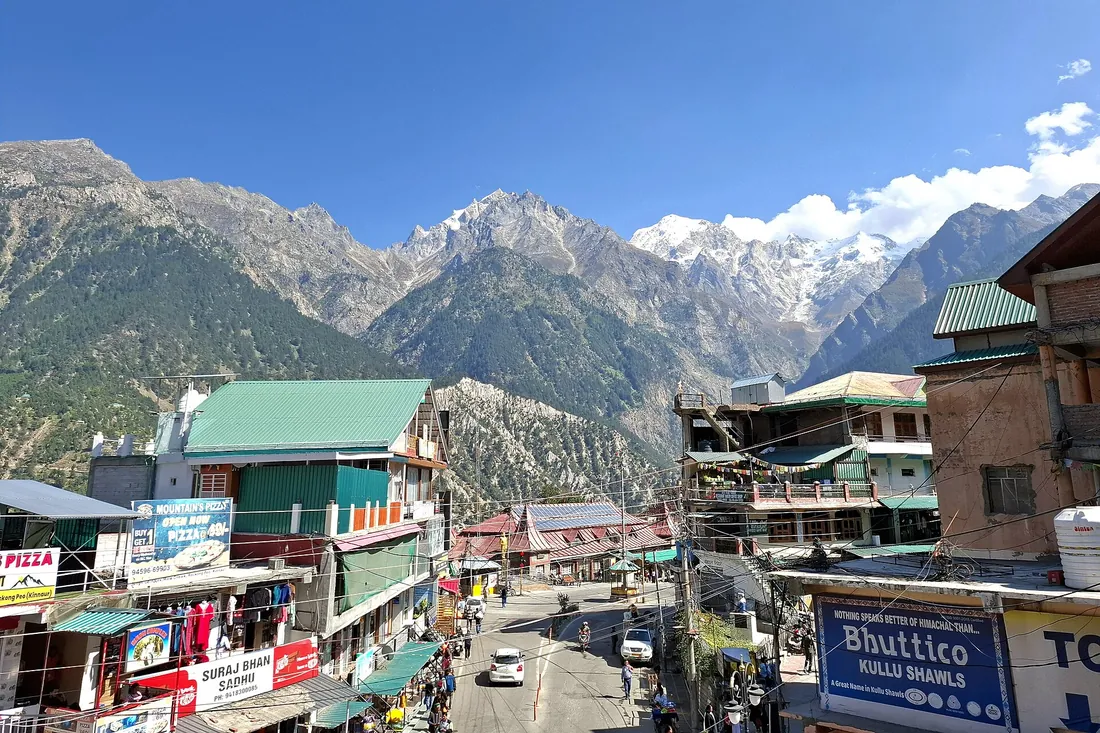
Sometimes. In Sangla, many shops, hotels and restaurants display UPI codes, and they work when the network is up. In Chitkul and Rakchham, the signal is weak and often drops, so UPI payments fail or take ages, and few small places accept cards. Larger hotels and camps may take cards or online bookings; most homestays and dhabas prefer cash.
| Payment | Sangla | Rakchham | Chitkul |
|---|---|---|---|
| Cash | Accepted everywhere | Accepted everywhere | Accepted everywhere |
| UPI | Usually works | Hit and miss | Often fails |
| Debit or credit card | Bigger hotels only | Rare | Rare (mini-ATM shop aside) |
| Mobile signal | BSNL, Airtel and Jio | Patchy | BSNL most reliable; others weak |
If you want a working phone in Chitkul, a BSNL SIM is the safest bet. Even then, pay for your room in advance online where you can, and download your bookings and maps before leaving Sangla.
How Much Cash Should You Carry?
It depends on your style of travel, but here is a typical daily budget per person in the valley, from 2026 prices. Add your rooms if they are not prepaid.
My advice: for a three-night trip covering Sangla, Rakchham and Chitkul, a couple travelling on a mid-range budget should arrive with roughly ₹15,000–20,000 in cash, more if rooms are not prepaid or you plan to hire taxis. Split it between two people and two bags.
Getting to the Sangla Valley
From Shimla, the drive to Sangla along NH-5 through Narkanda, Rampur and Karcham takes most of a day; HRTC runs buses from Shimla towards Reckong Peo and Sangla, and the valley road beyond Karcham is narrow and exposed in places. From Reckong Peo, HRTC buses run up the valley to Sangla and Chitkul, and shared and private taxis wait at the Peo bus stand. If you are coming from Spiti or Kalpa, Reckong Peo is the natural place to do your banking before heading up.
| From | To Sangla | To Chitkul | Cash stop on the way |
|---|---|---|---|
| Rampur Bushahr | 99 km | 123 km | Rampur (many ATMs) |
| Reckong Peo | 39 km | 63 km | Reckong Peo (several ATMs) |
| Karcham (junction) | 17 km | 42 km | None; go to Peo, 22 km |
My advice: if your route allows, sleep a night in Reckong Peo or Kalpa before the valley. You break the long drive, you acclimatise a little, and you can visit an ATM in the morning when the machines have been refilled. For a longer route through the mountains, see our India travel itinerary for ideas on fitting Kinnaur into a bigger trip.
Fuel, Food and Other Things to Sort Before Sangla
- Fuel: there is no petrol pump in Chitkul. Fill up at Reckong Peo or on NH-5 before you turn into the valley.
- Medicines: carry what you need, including altitude and stomach remedies. Pharmacies are in Sangla and Reckong Peo.
- Power banks: power cuts happen, especially in winter.
- Small notes: carry ₹100 and ₹200 notes; small shops often cannot change ₹500s.
A Sample Cash Plan for 3 Days
- Day 0Withdraw your full valley budget in Shimla, Rampur or Reckong Peo. Split it into two or three envelopes.
- Day 1Arrive in Sangla. If the ATM has cash, top up as a buffer. Visit Kamru fort and the Sangla meadows.
- Day 2Move to Rakchham or Chitkul. Pay for rooms and meals in cash; keep receipts for prepaid bookings.
- Day 3Morning in Chitkul by the Baspa, then back down. Keep enough cash for fuel, food and the journey out.
Best Time to Visit, and How It Affects Cash
| Season | What it is like | Cash tip |
|---|---|---|
| April–June | Apple blossom, pleasant days, busy weekends | Sangla ATM most likely to run dry on weekends |
| July–September | Monsoon; landslides on NH-5 and the valley road | Carry extra in case you get stuck for a day or two |
| October–November | Clear skies, autumn colours, apple harvest; peak season | Withdraw in Reckong Peo or Rampur; the Sangla ATM is under pressure |
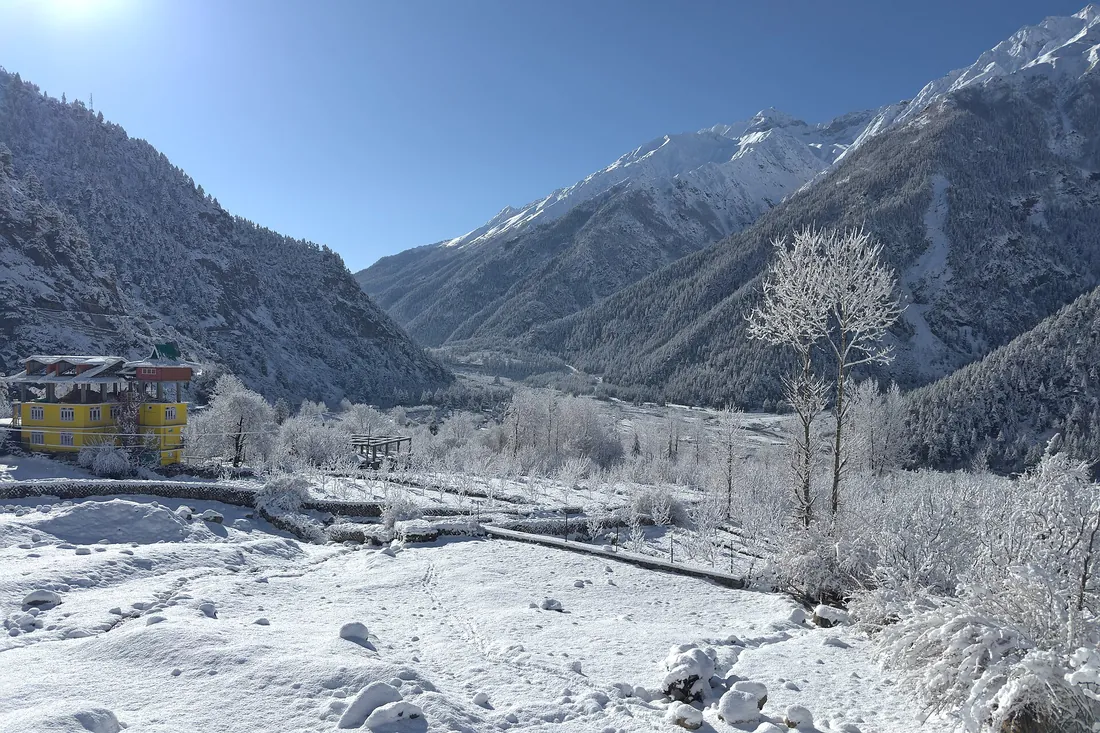
| December–March | Snow, very cold; many Chitkul guesthouses close | Few places open; carry everything you need |
Practical Tips
- Withdraw before you turn off at Karcham. Reckong Peo or Rampur are your last reliable ATMs.
- Prepay rooms online where you can, so you need less cash in the valley.
- Keep two cards from different banks, in case one is blocked or the mini-ATM does not accept it.
- Tell your bank you are travelling, so a mini-ATM withdrawal is not flagged as unusual.
- Carry a little extra for landslide delays, which can strand you for a day.
- Ask your host what payment they accept, and whether Sangla’s ATM has cash, before you arrive.
Planning a wider trip? See our guide to unexplored places in Himachal Pradesh away from the crowds, which covers Rakchham and Kalpa, and our list of the best road trips in India.
Frequently Asked Questions
Is there an ATM in Chitkul?
There is no bank ATM in Chitkul. Since 2021, a village shop has offered a Spice Money mini-ATM service for small card withdrawals, but it depends on the shop and the network, so do not rely on it. Carry enough cash for your stay.
Is there an ATM in Sangla?
Yes, Sangla has the only regular ATM in the valley, according to recent guides. It often runs out of cash on weekends and in peak season, so bring cash from Reckong Peo or Rampur as well.
Where is the nearest reliable ATM to Chitkul?
Reckong Peo, the Kinnaur district headquarters, about 63 km from Chitkul, has several bank ATMs. Rampur Bushahr, about 123 km from Chitkul on the Shimla road, also has many.
How far is Chitkul from Sangla?
About 24 km by road, roughly 45 minutes to an hour, passing Batseri and Rakchham.
Does UPI work in Chitkul?
Sometimes, but often not. The mobile signal in Chitkul is weak, so UPI payments frequently fail. BSNL is usually the most reliable network. Carry cash.
How much cash should I carry for Chitkul and Sangla?
Carry enough for all your rooms, meals and transport in the valley, plus a buffer of about ₹5,000–8,000 per person for emergencies such as landslide delays.
Is there a petrol pump in Chitkul?
No. Fill up at Reckong Peo or on NH-5 before turning into the Sangla valley at Karcham.
Is there an ATM in Rakchham?
No. Rakchham, between Sangla and Chitkul, has no ATM. Homestays and camps there mostly expect cash.
Which mobile network works in Chitkul?
BSNL is the most reliable in Chitkul. Airtel and Jio usually work in Sangla but are weak or absent further up the valley.
Do hotels in Chitkul accept cards?
A few larger hotels and camps may, but most homestays and dhabas take only cash or UPI when the network works. Prepay online where you can.
Final Thoughts
The Sangla valley rewards you with some of Himachal’s finest scenery, but not with ATMs. Withdraw in Reckong Peo or Rampur, treat Sangla’s machine as a bonus and Chitkul’s mini-ATM as a last resort, prepay what you can, and carry a buffer for the unexpected. Do that, and the only thing you will need to think about in Chitkul is the view. For more mountain trips, see our list of the best hill stations in India, or browse our Hill Stations section.
Sources: road distances from OpenStreetMap and OSRM routing (checked 26 November 2026); Spice Money press release and Outlook Money report on the Chitkul mini-ATM (May 2021, updated 2024); recent Kinnaur and Chitkul travel guides on ATM and mobile coverage (2025–2026); Tribune reporting on ATM shortages in remote Himachal valleys. ATM status changes; confirm locally. Photos from Wikimedia Commons, credited in each caption.