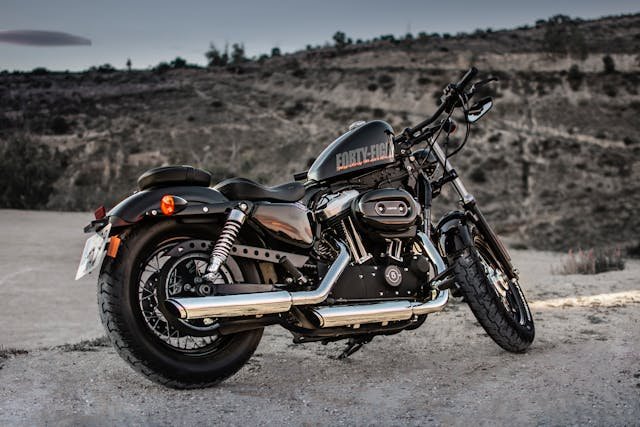
There’s nothing quite like exploring a new destination on a motorcycle. The open road, fresh air, and freedom to take the scenic route make motorcycle travel unforgettable. Whether you’re cruising coastal highways, winding through mountain roads, or hopping between small towns, riding a motorcycle can be one of the most rewarding ways to travel. That said, motorcycle travel also comes with unique safety challenges. Even though motorcyclists make up about 5% of drivers, they are more likely to be involved in accidents than other drivers.
When you’re riding in unfamiliar places, the risks increase. Roads may be narrower than expected, traffic laws may differ from what you’re used to, and weather conditions can change quickly. Add distracted drivers and busy tourist areas to the mix, and it’s easy to see why staying alert is essential. Unlike cars, motorcycles offer little protection in a crash. That’s why prevention, rather than reaction, is a key part of motorcycle safety, especially when traveling.
A little preparation and awareness can go a long way in preventing accidents and keeping your trip enjoyable. Read on to learn motorcycle safety tips every traveler should know before hitting the road.
Wear the Right Gear for Every Ride
One of the simplest and most effective ways to stay safe is to wear proper protective gear. A DOT-approved helmet is essential, even for short rides. Helmets dramatically reduce the risk of head injuries and can be the difference between walking away from an accident and serious harm.
In addition to a helmet, riders should wear:
- Protective jackets and pants designed for riding
- Gloves to improve grip and protect hands
- Over-the-ankle boots for stability and foot protection
Bright or reflective gear can also make you more visible, especially when riding in unfamiliar traffic patterns, low-light conditions, and in mountainous terrain with switchbacks where visibility is lower.
Plan Your Route — and Your Breaks
When traveling by motorcycle, planning is part of staying safe. Research your route before you go and be aware of road conditions, construction zones, and areas with heavy traffic. Scenic routes are beautiful, but they may also include sharp curves, steep grades, wildlife crossings, and fewer places to stop for gas and food.
Fatigue is another often-overlooked risk. Long rides can wear you down faster than you realize, especially in hot or windy conditions. Schedule regular breaks to stretch, hydrate, and refocus. A tired rider has slower reaction times, increasing the risk of accidents.
Watch Out for Common Travel-Related Hazards
Traveling motorcyclists face several hazards that can easily lead to accidents if they’re not careful. Loose gravel, uneven pavement, sand, and potholes are common on scenic or rural roads. Wet leaves, rain, and oil slicks can also reduce traction, making stopping more difficult. In these conditions, you want to give yourself even more room to prevent motorcycle accidents.
Intersections are particularly dangerous. Many accidents happen when drivers fail to see riders while turning or pulling into traffic. Slow down, assume other drivers may not notice you, and position yourself where you’re most visible.
Ride Defensively — Always
Defensive riding is one of the best habits a motorcyclist can develop. This means anticipating potential dangers before they happen. Keep a safe following distance, avoid riding in blind spots, and make your intentions clear with signals and lane positioning.
When riding in tourist-heavy areas, expect unpredictable behavior from other drivers. Rental cars, distracted drivers, and sudden stops are common. Staying calm, patient, and alert can help you avoid risky situations.
Adjust for Weather and Road Conditions
Weather plays a major role in motorcycle safety. Rain reduces visibility and traction, while strong winds can affect balance, especially on open highways or bridges. If conditions become unsafe, it’s okay to slow down or stop until it’s safer to continue.
Check weather forecasts before riding and be prepared for sudden changes. Packing rain gear and layers can help you stay comfortable and focused, which is key to safe riding.
What to Do If You’re Involved in a Motorcycle Accident
Even with the best preparation, accidents can still happen. If you’re involved in a motorcycle accident while traveling, your safety comes first. Move to a safe location if possible and check yourself and others for injuries. Call emergency services right away if anyone is hurt.
If you’re able, document the scene by taking photos of the vehicles, road conditions, and any visible injuries. Exchange information with other drivers involved and gather contact details from witnesses. Seeking medical attention, even if injuries seem minor, is important, as some injuries may not show symptoms right away.
Make Safety Part of the Adventure
Motorcycle travel is about freedom, discovery, and enjoying the journey — but applying the right motorcycle safety tips should always be part of the plan. Wearing proper gear, staying alert, riding defensively, and respecting road conditions can significantly reduce your risk of accidents.
By following these essential motorcycle safety tips, you’re not limiting your adventure — you’re protecting it. A safe ride means more memories, more miles, and more opportunities to enjoy the open road with confidence.
Read also: Road-Trip Ready: What to Check Before You Hit the Open Road in 2026